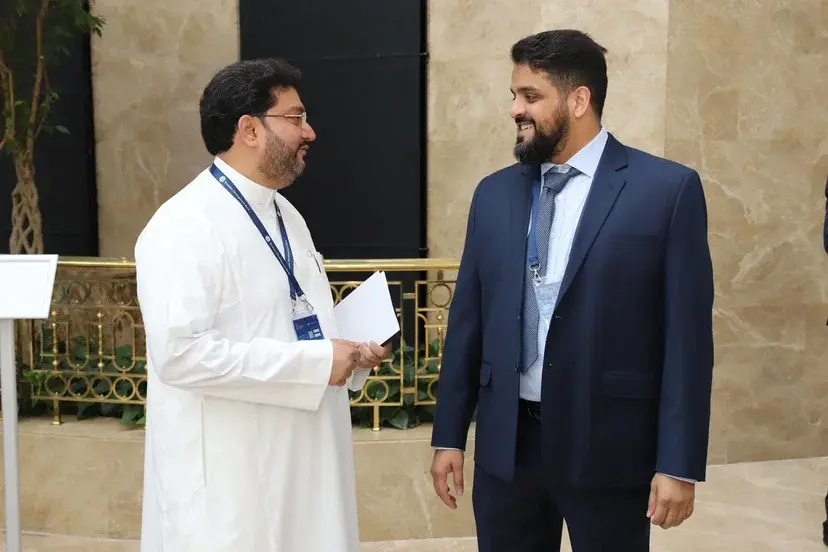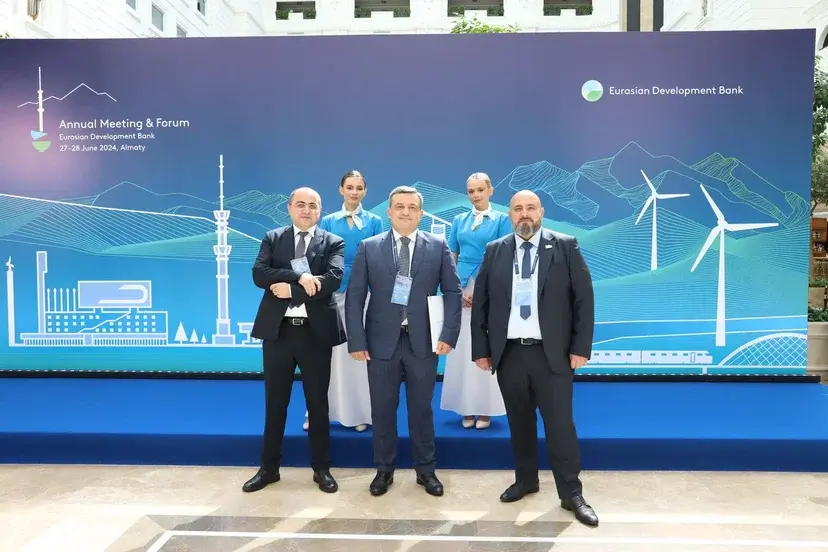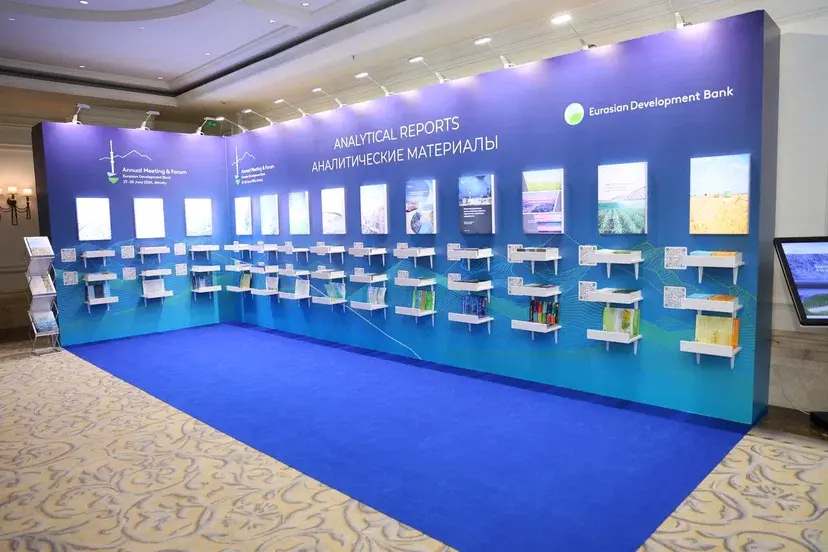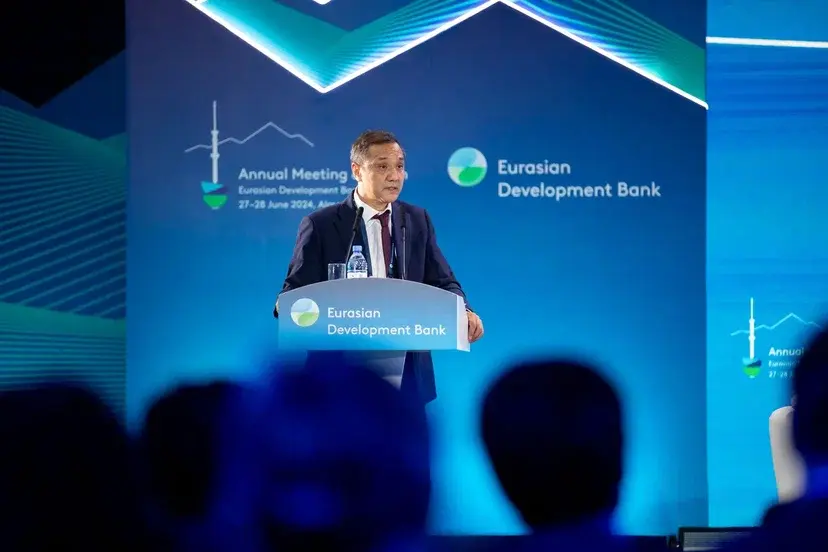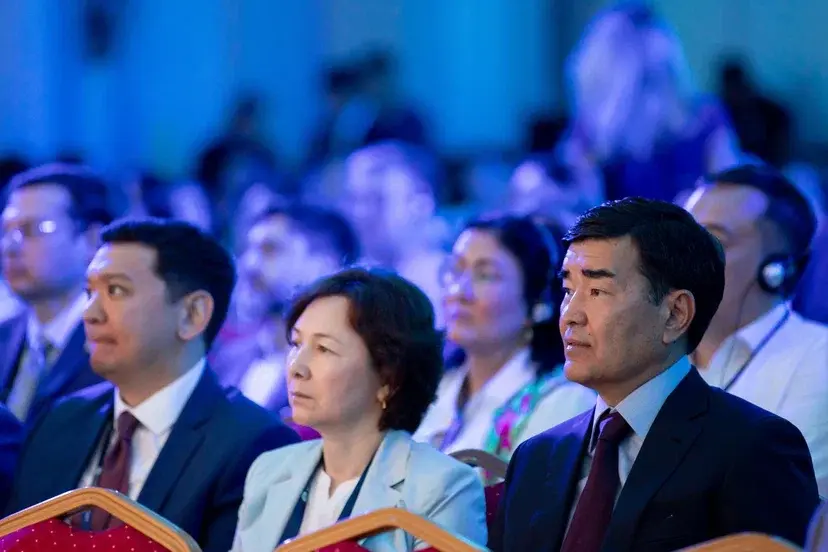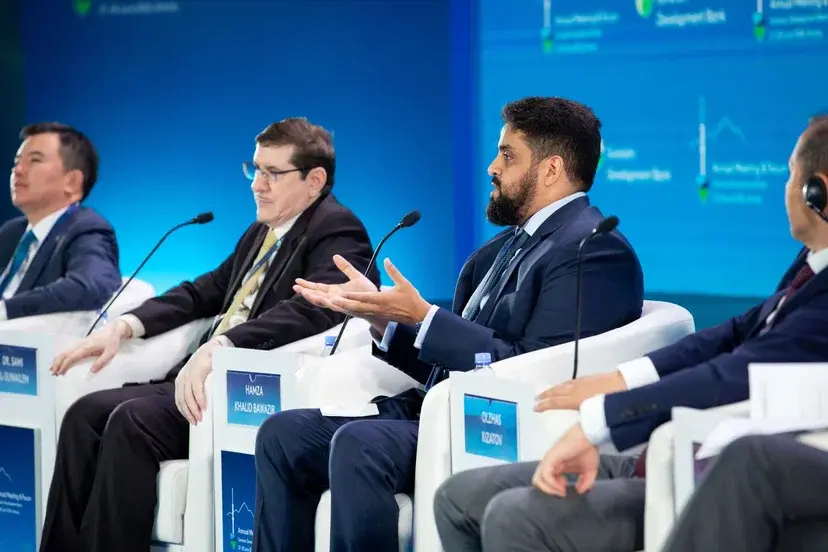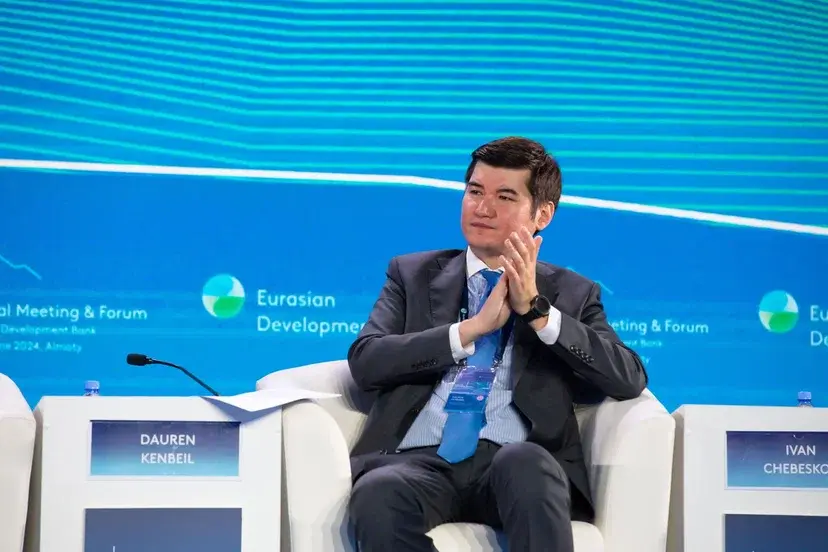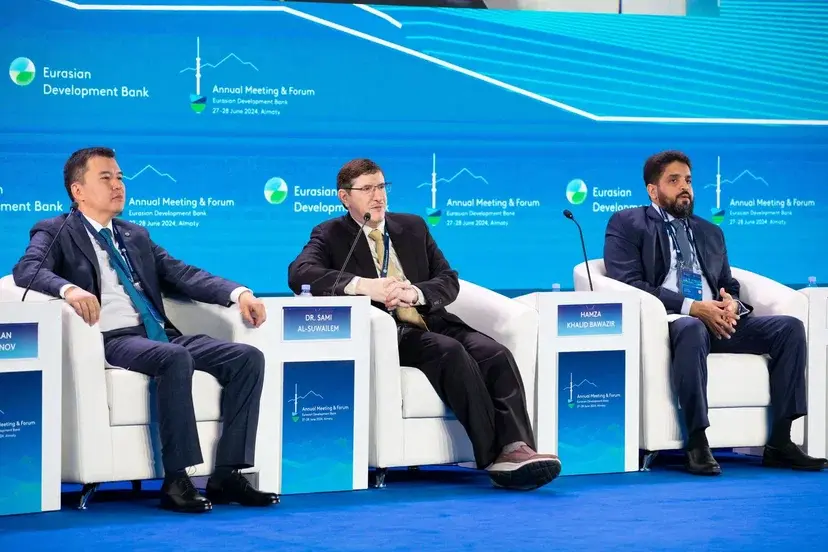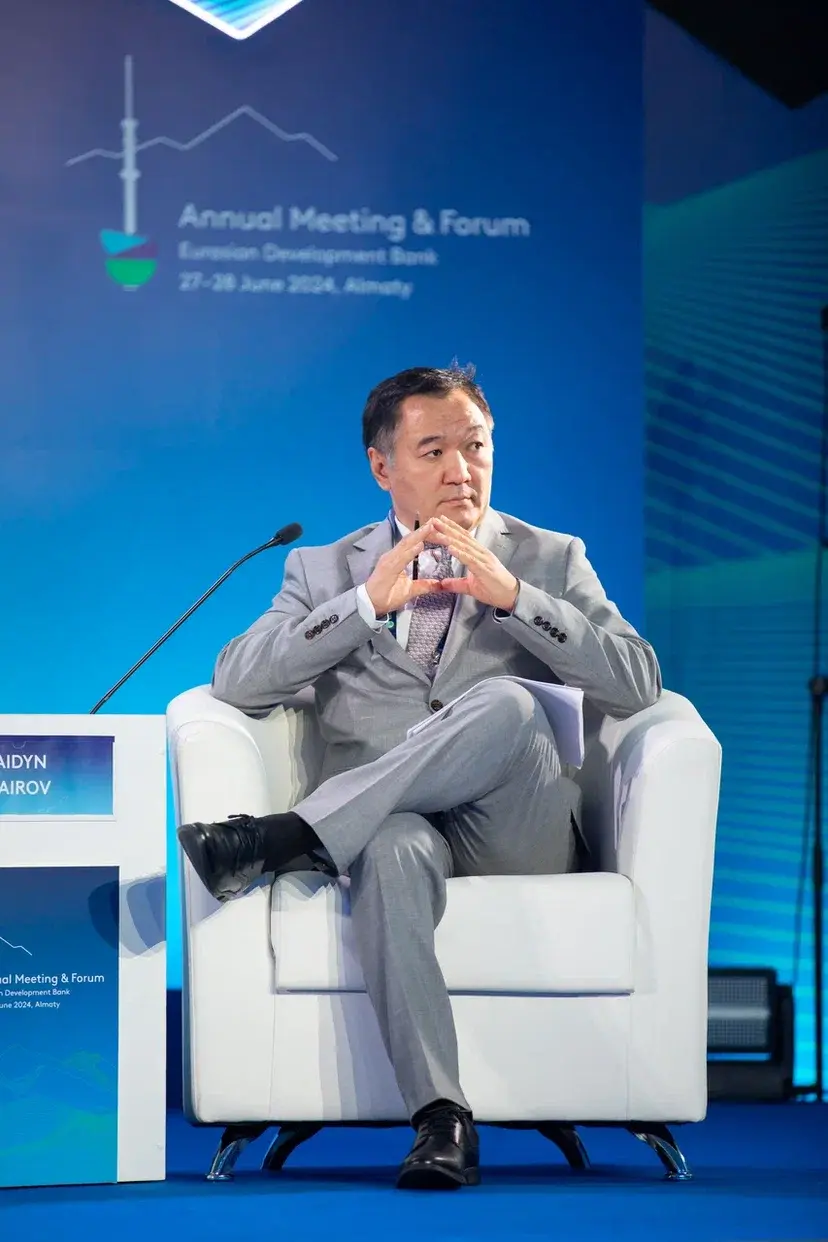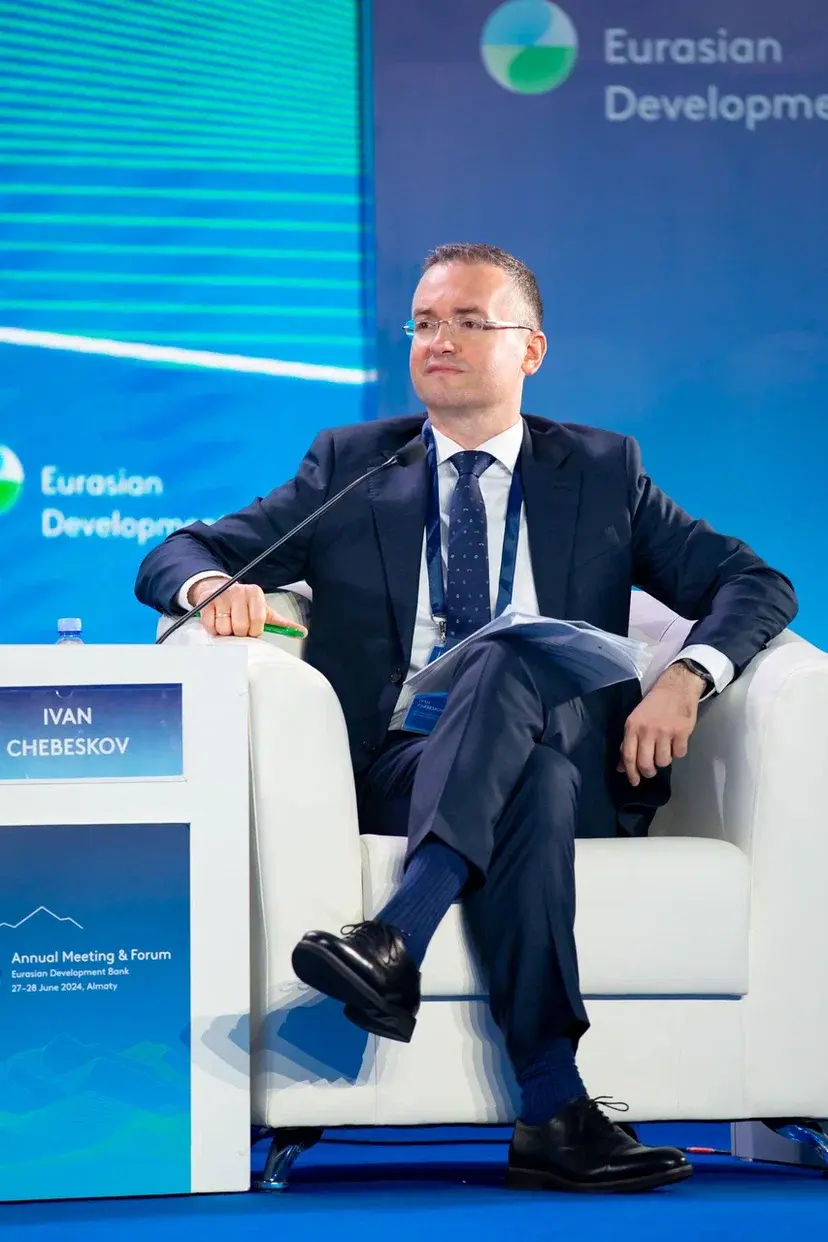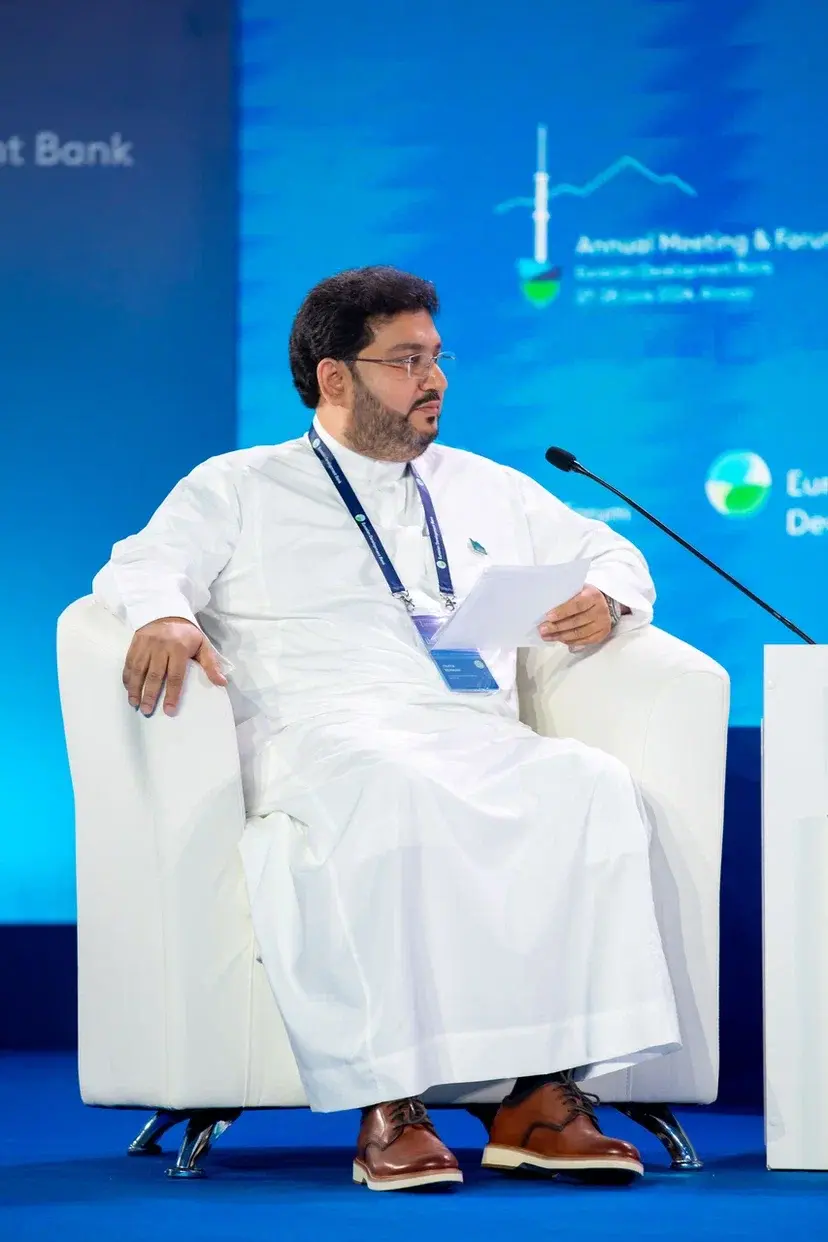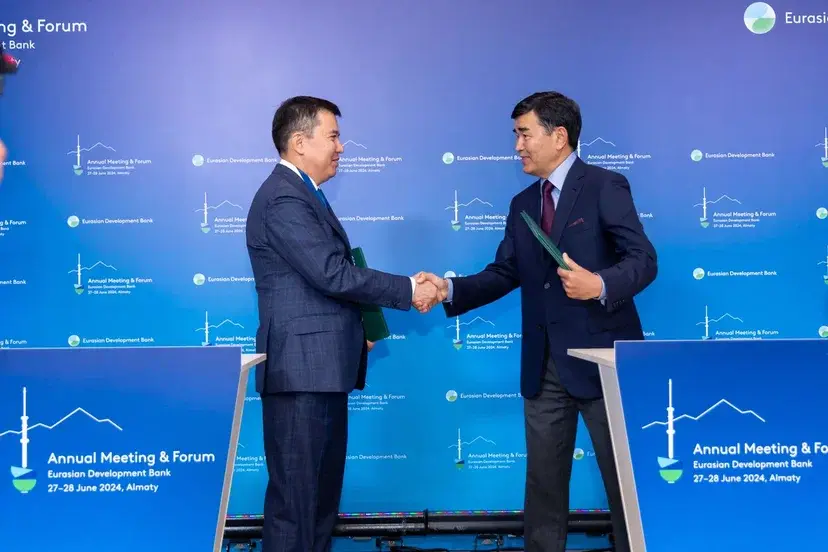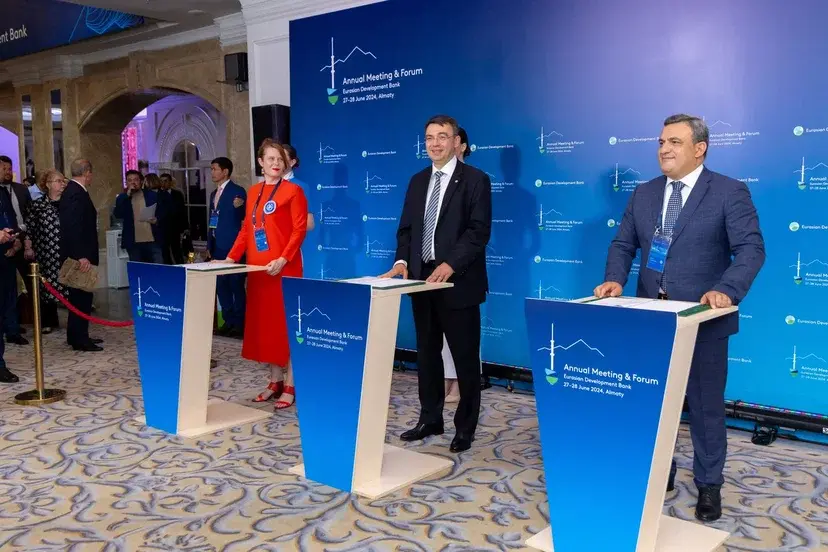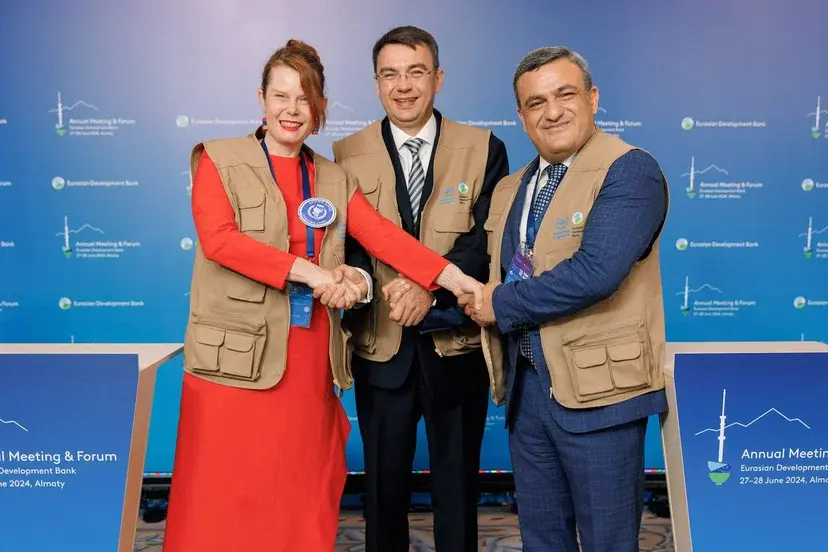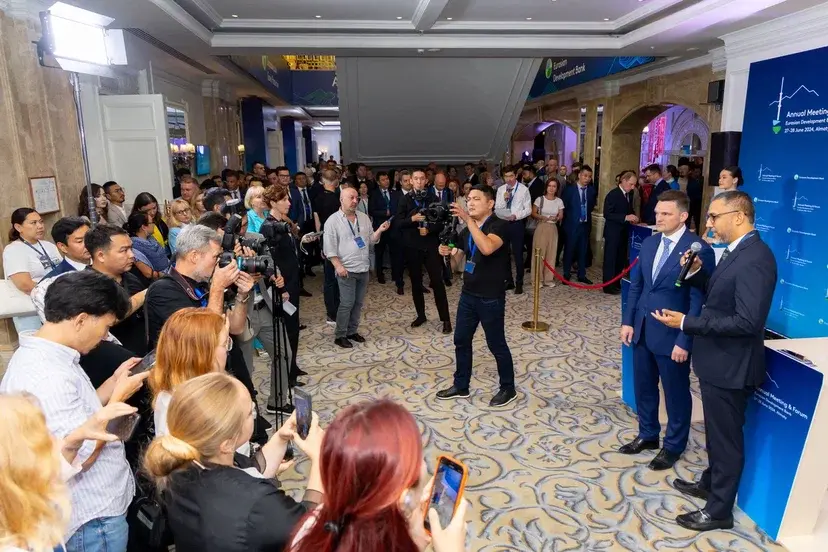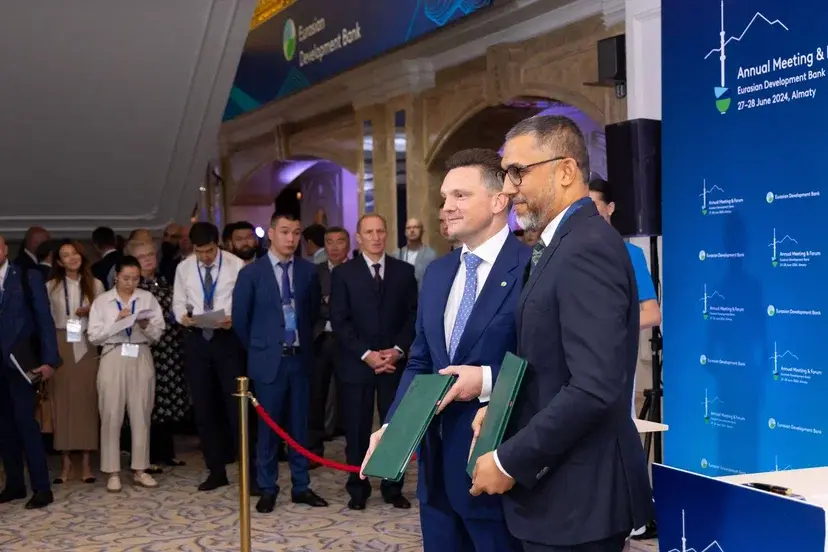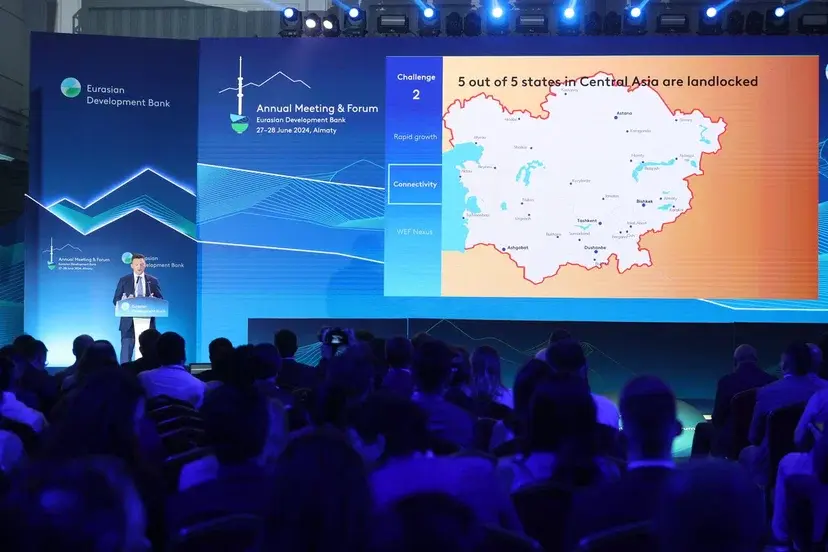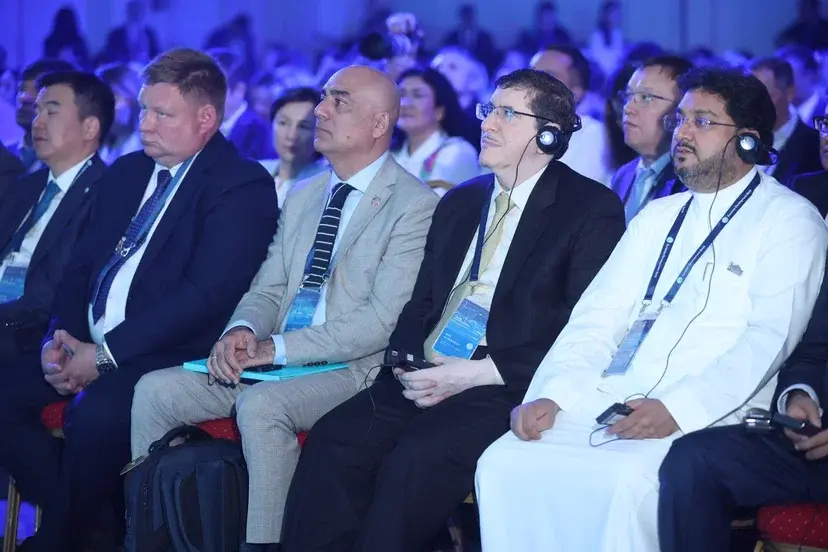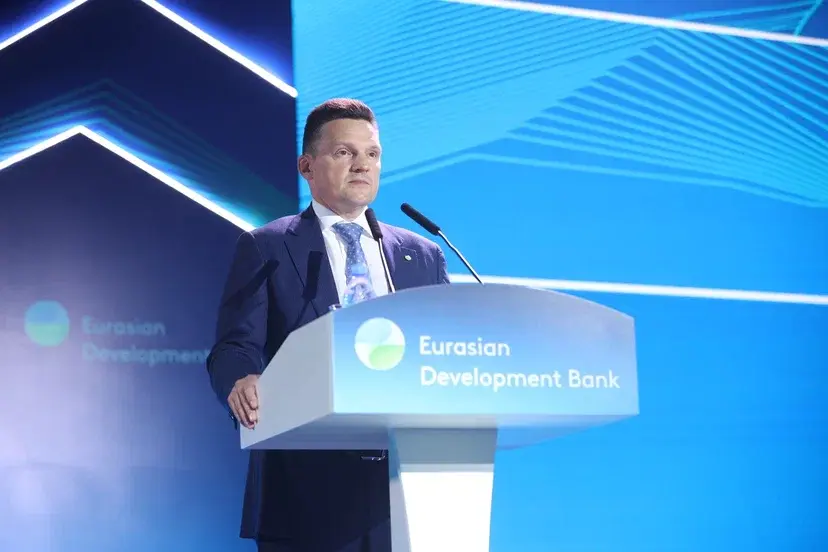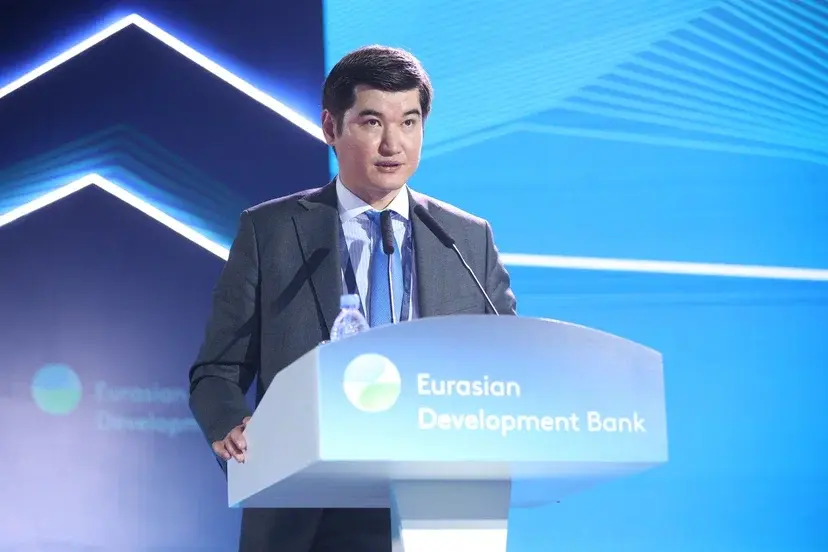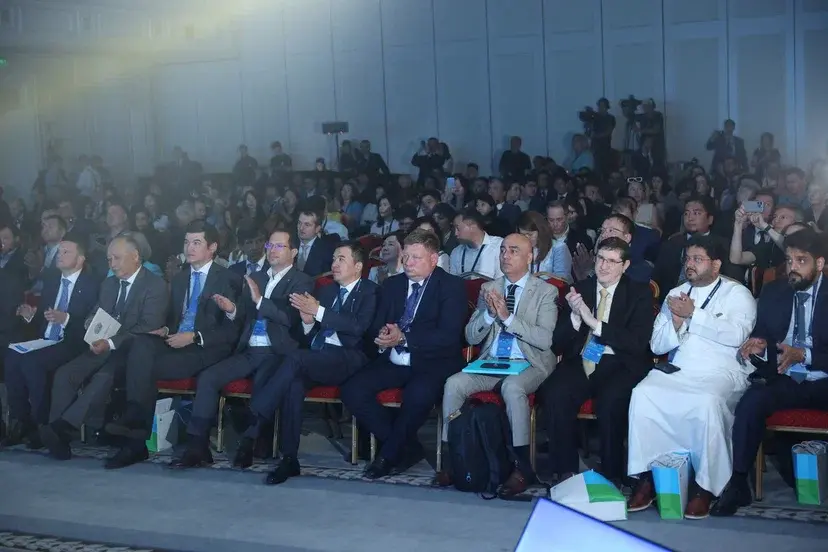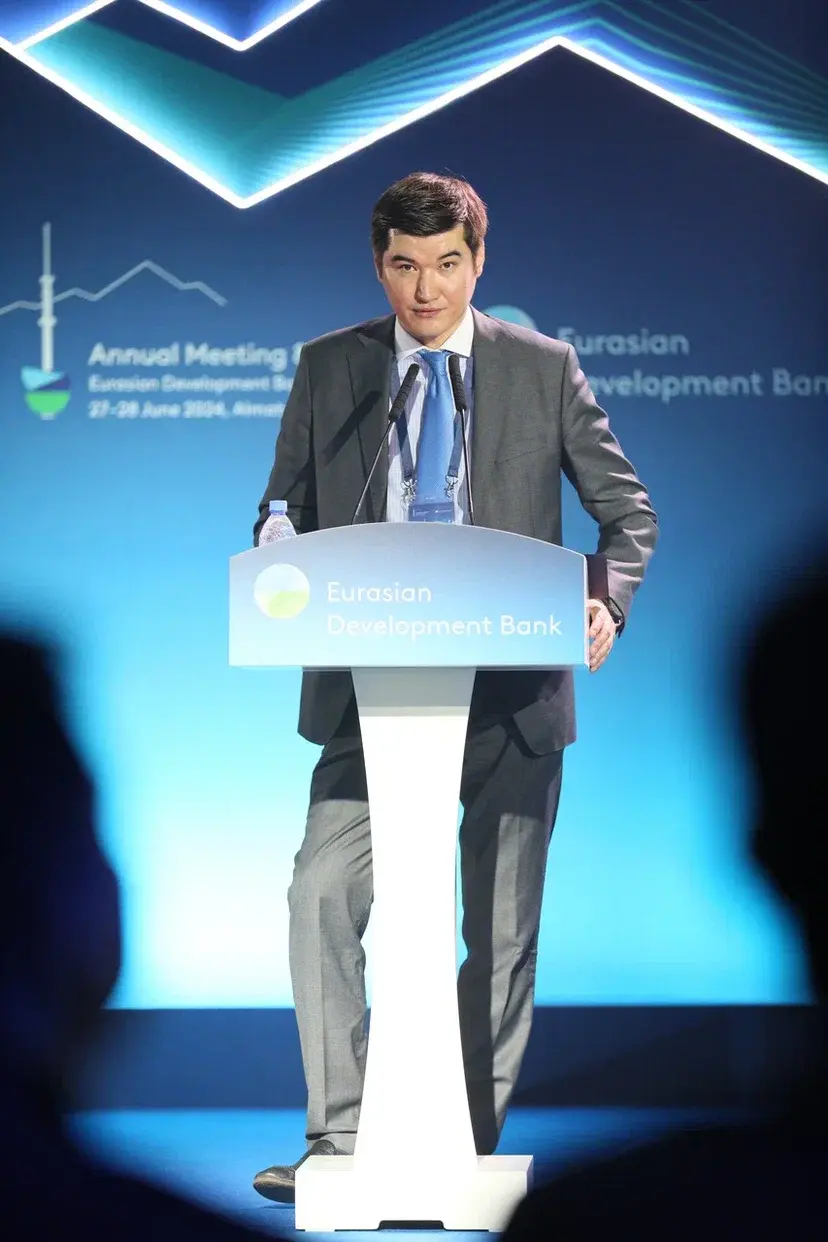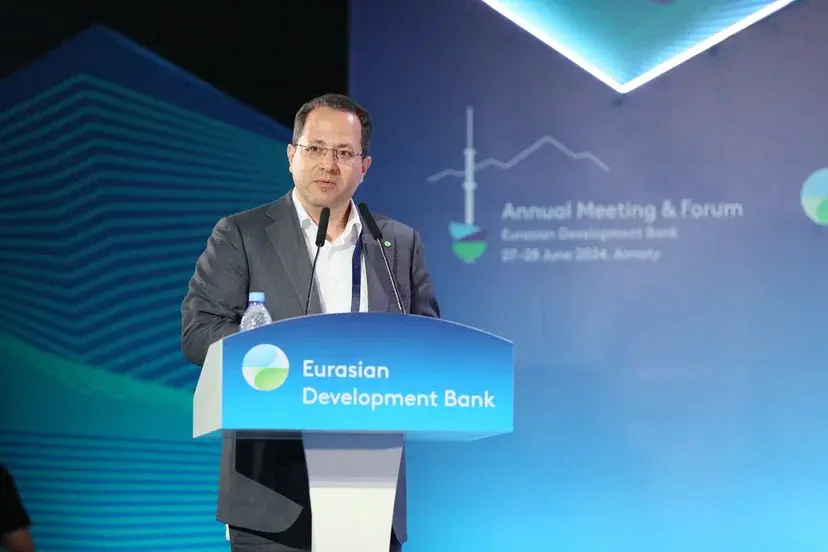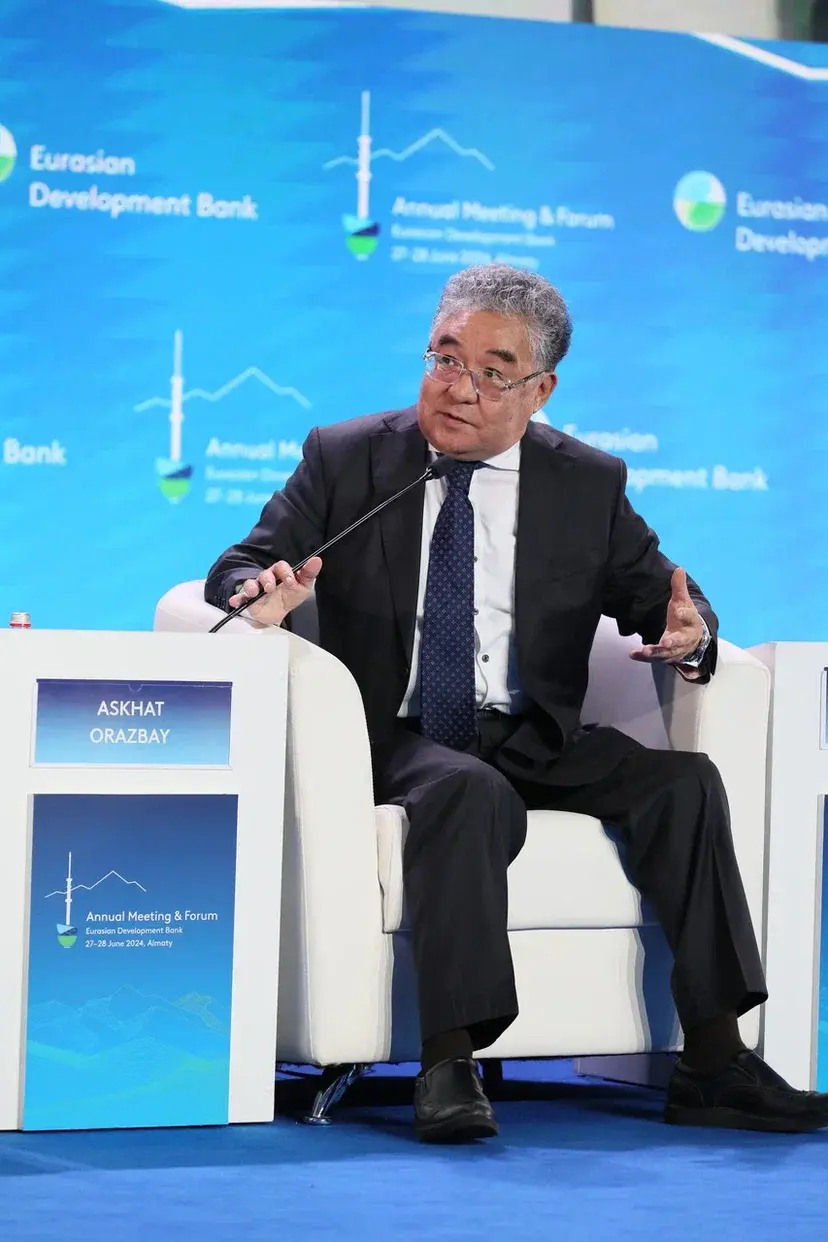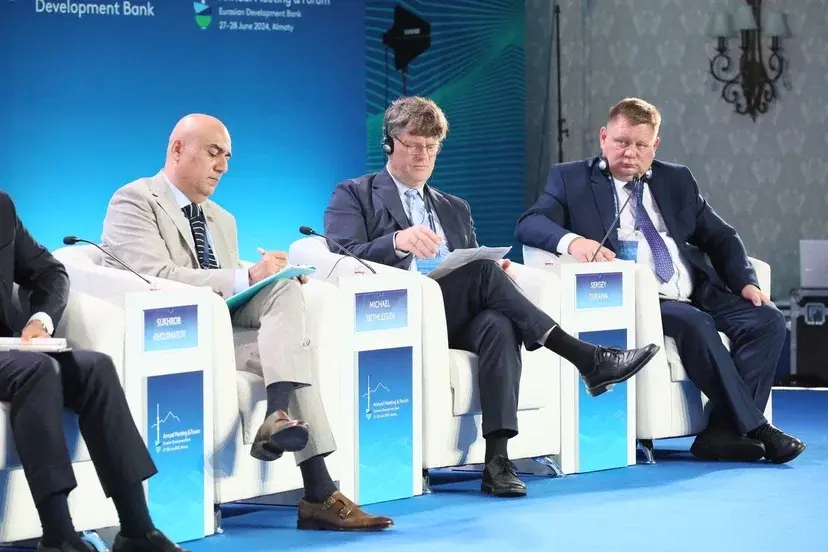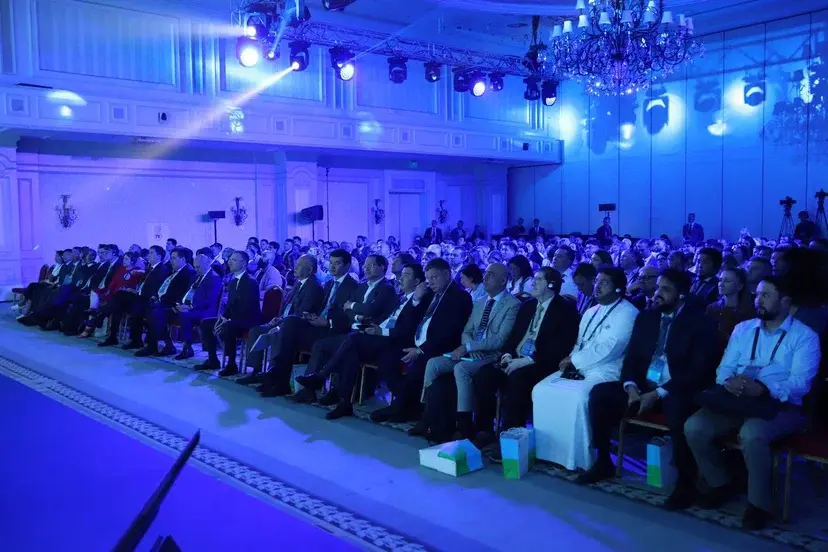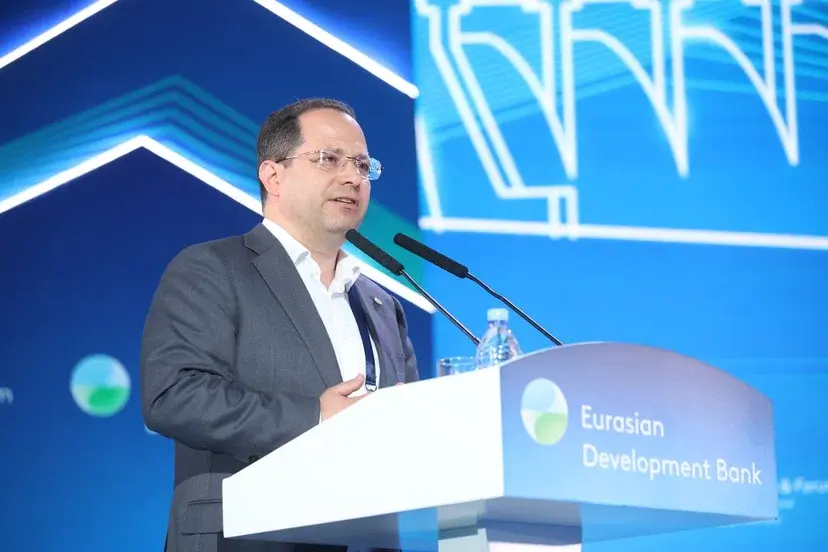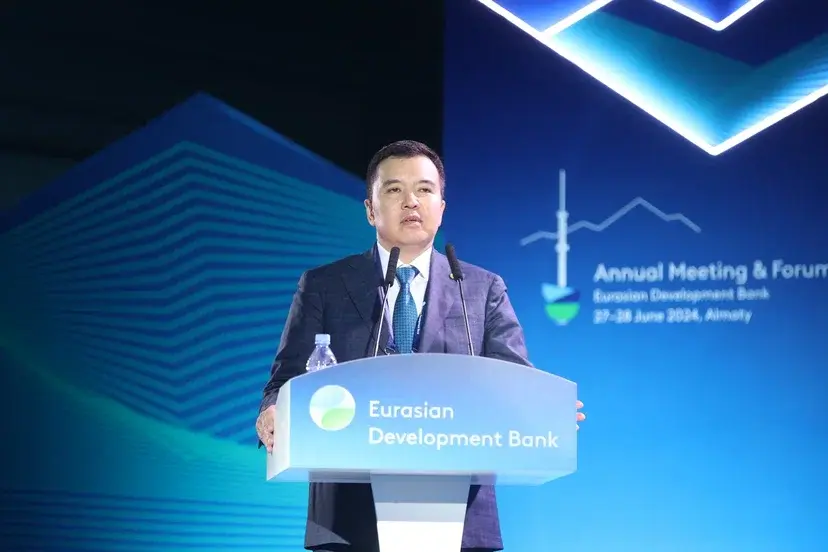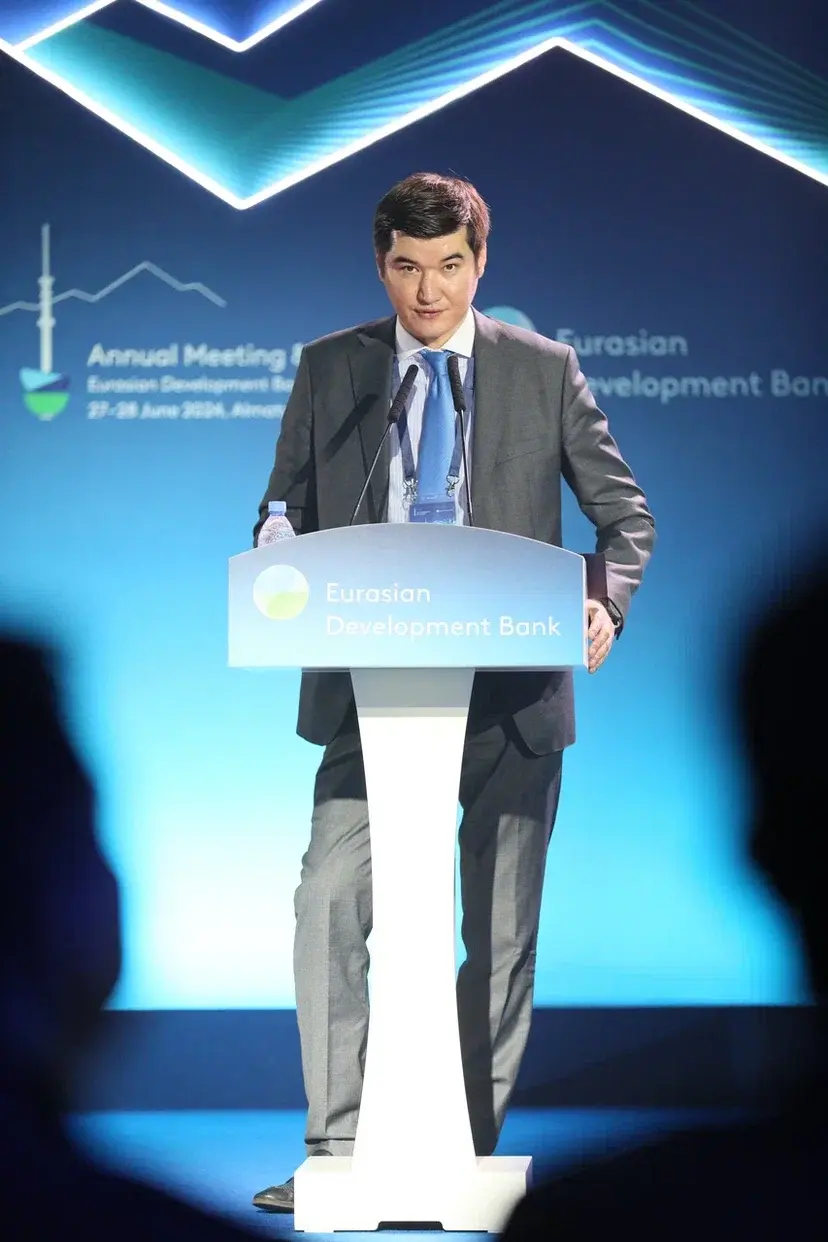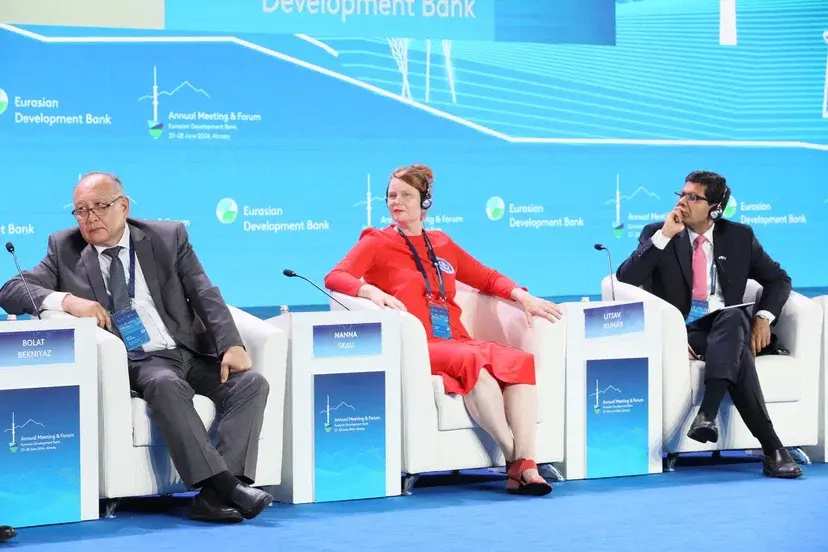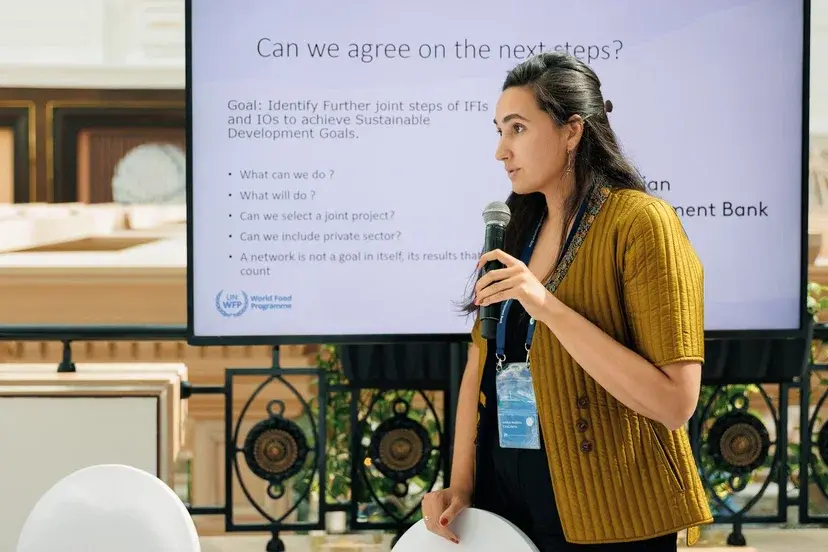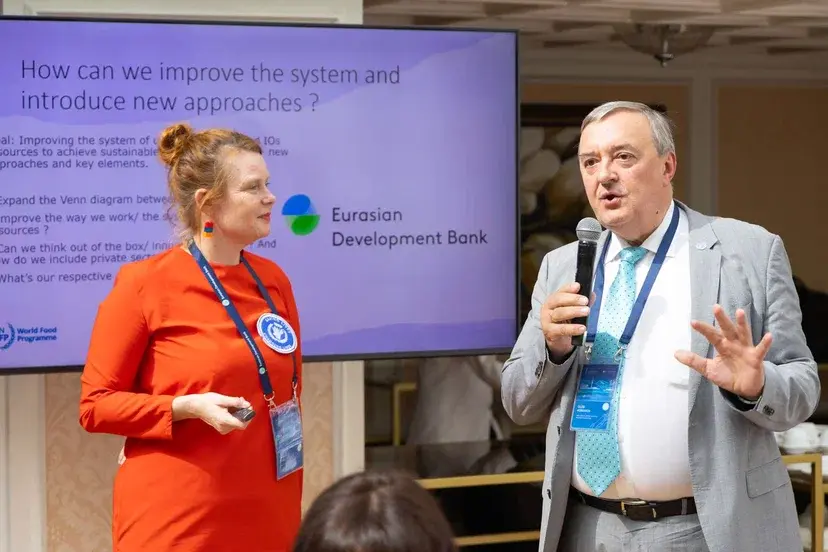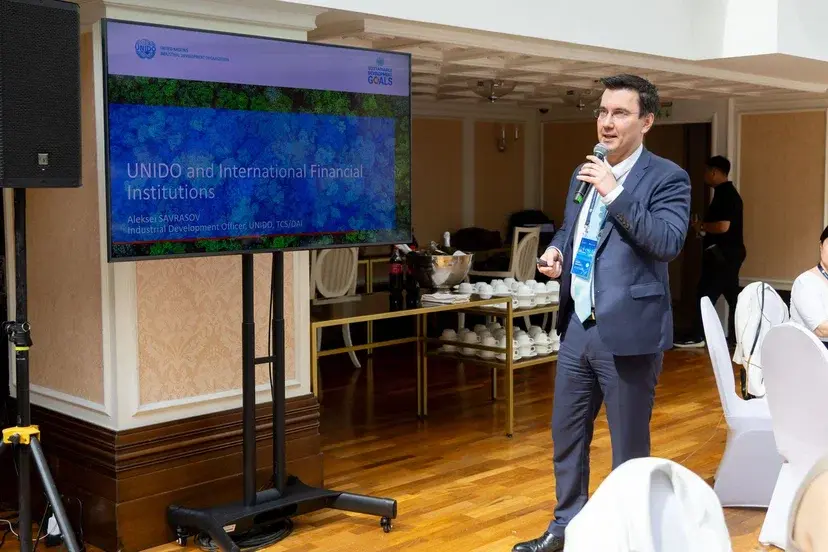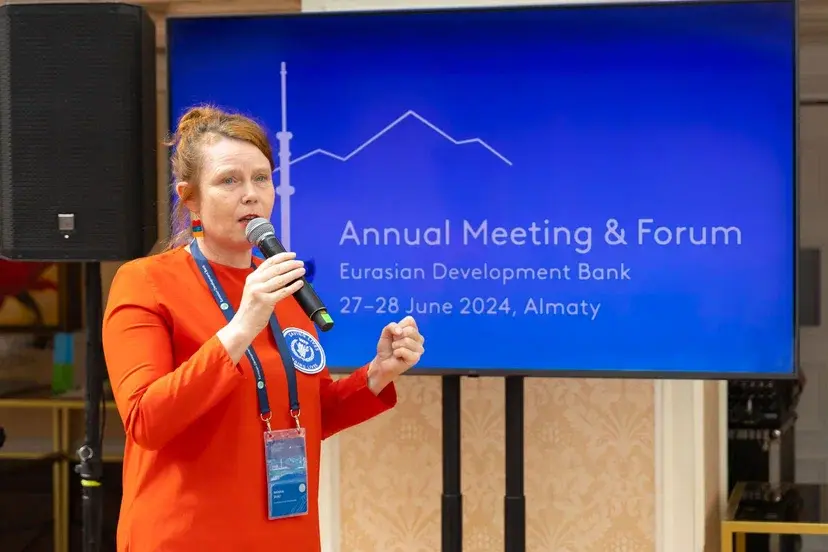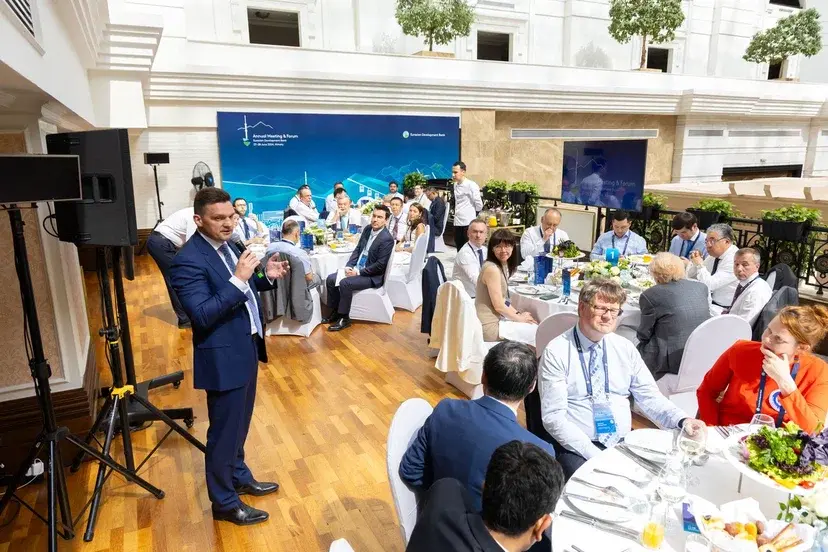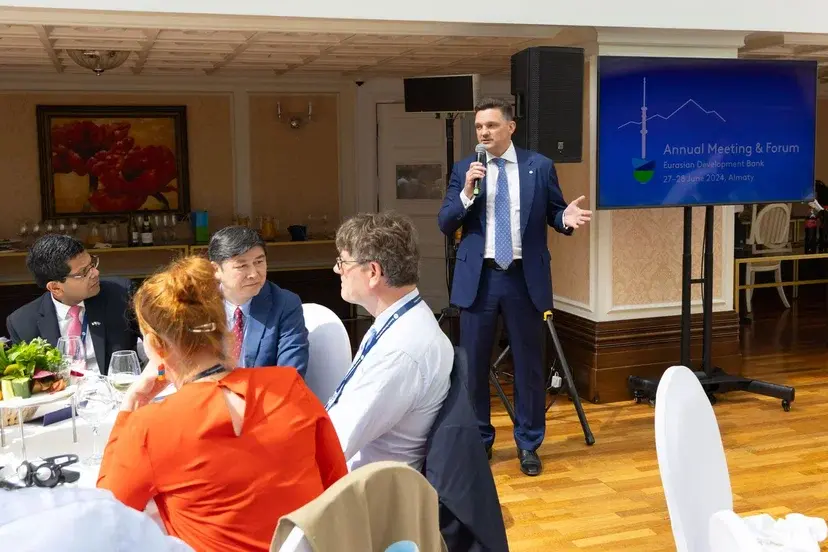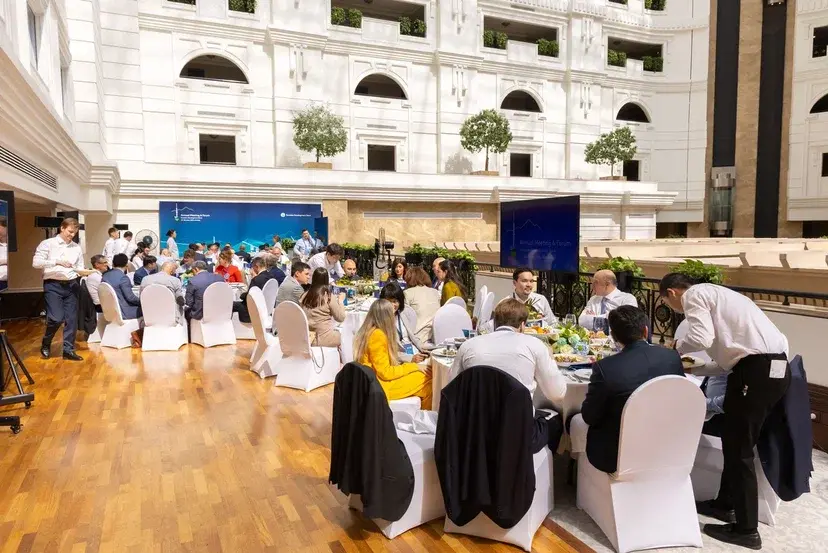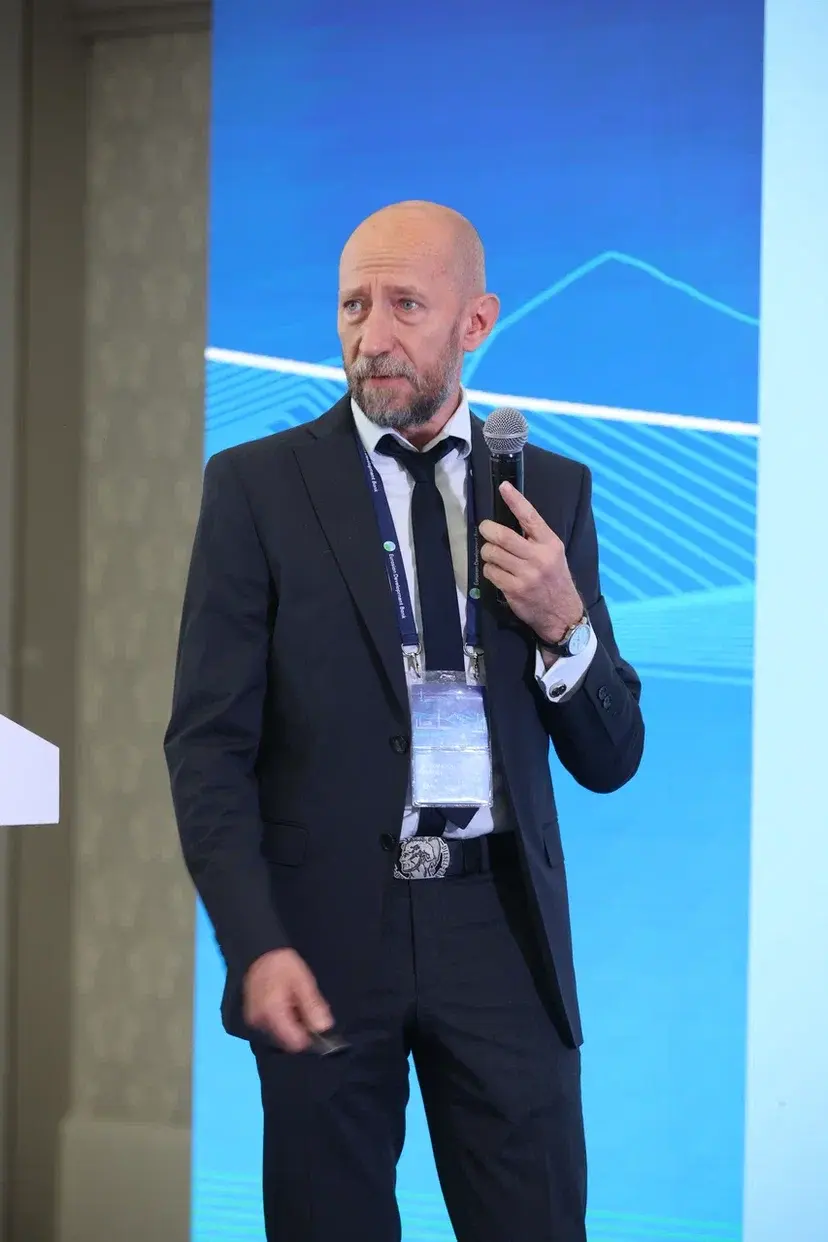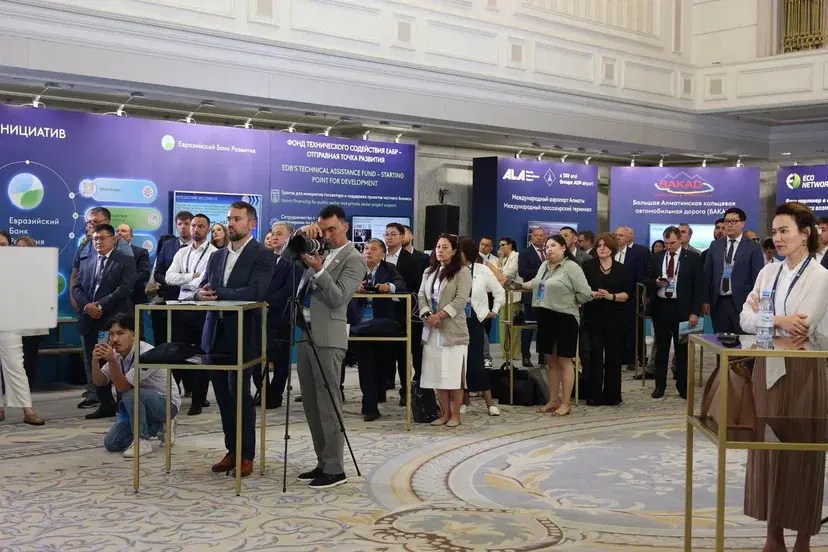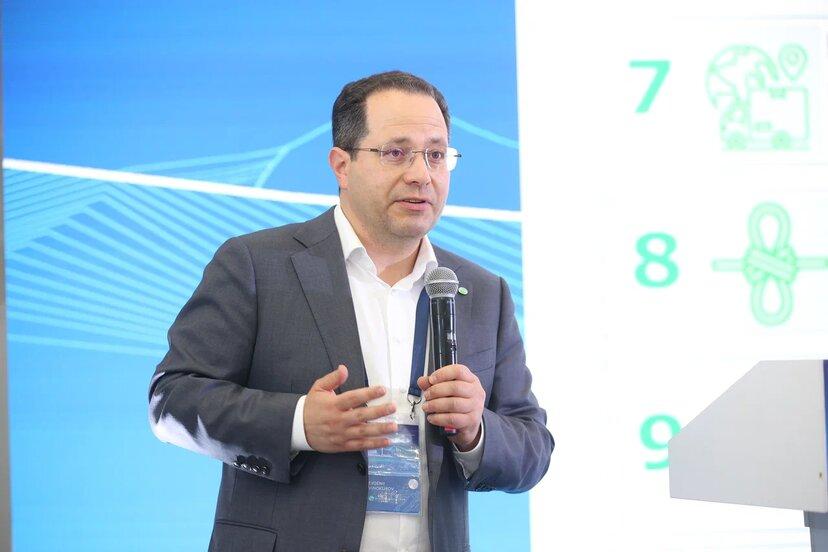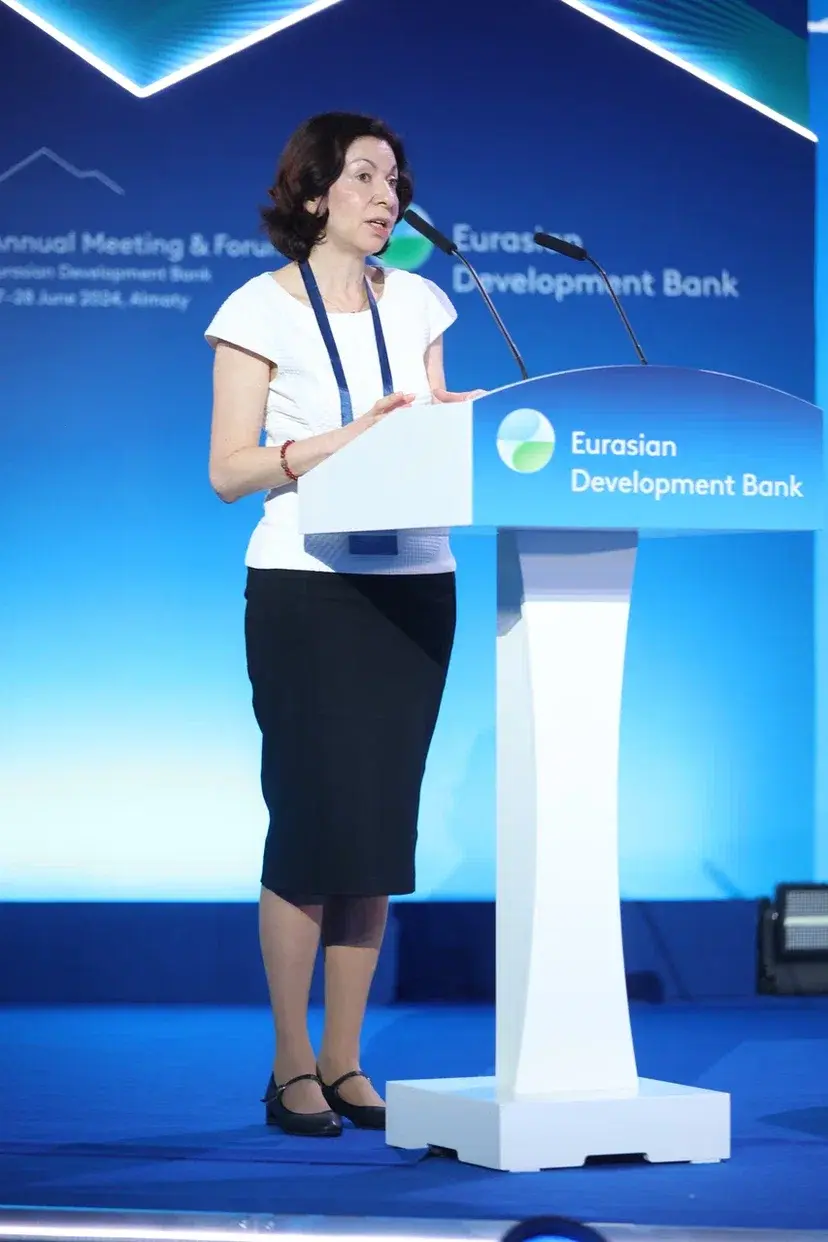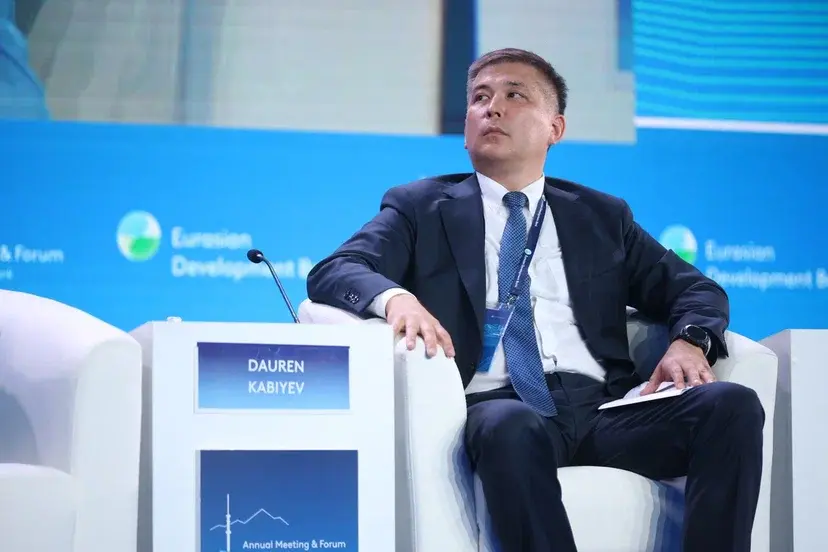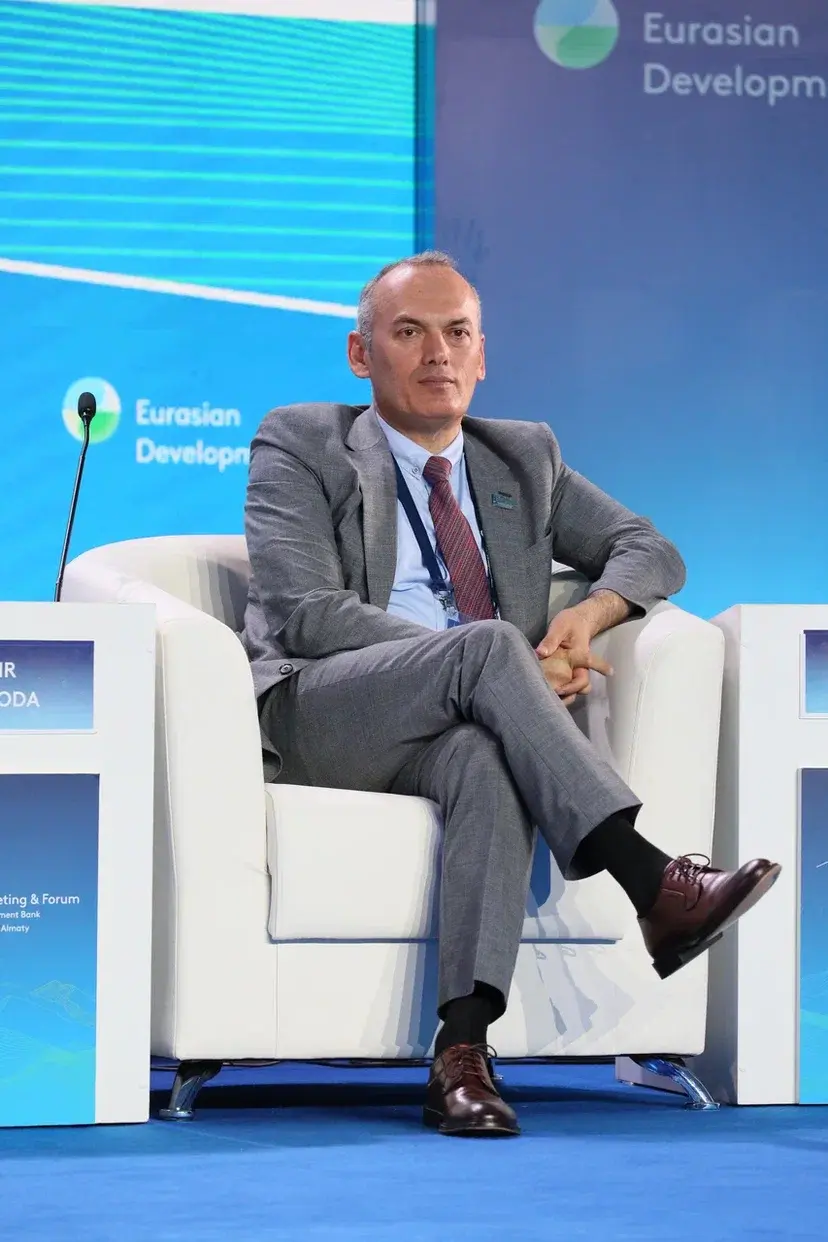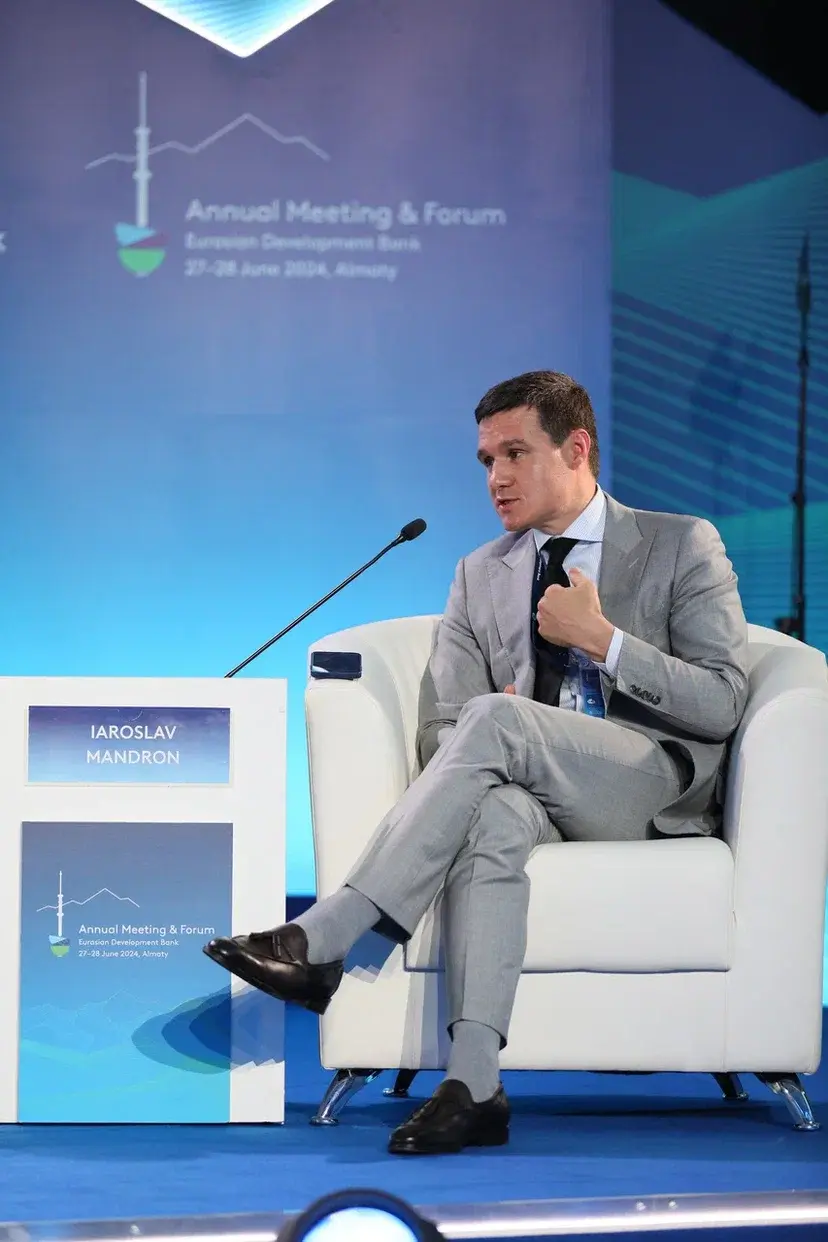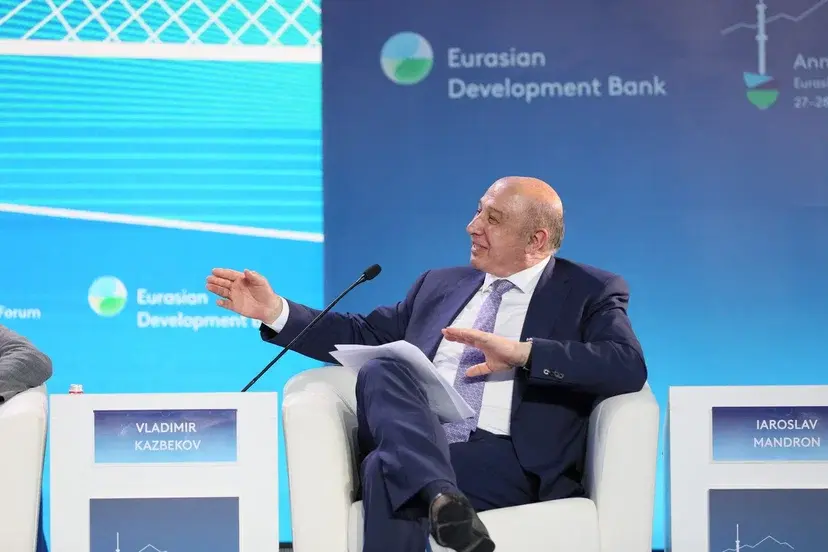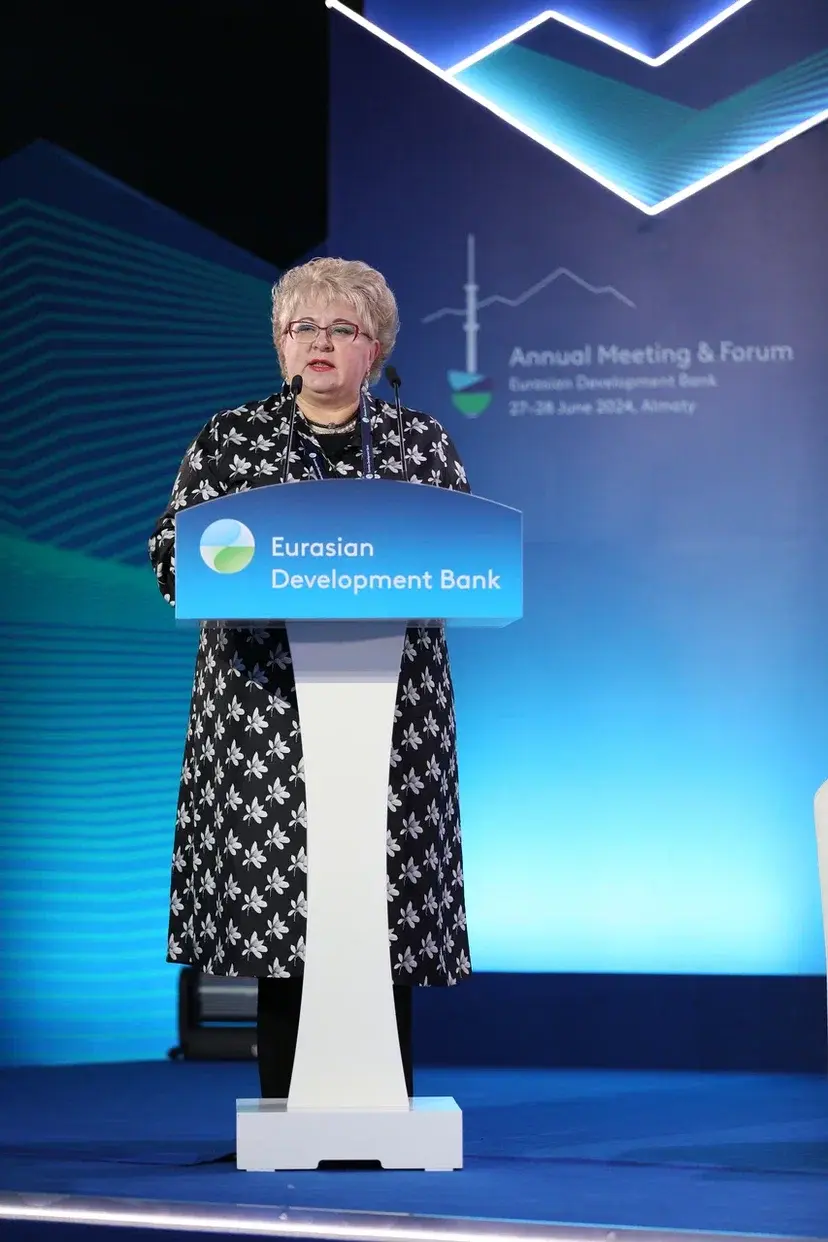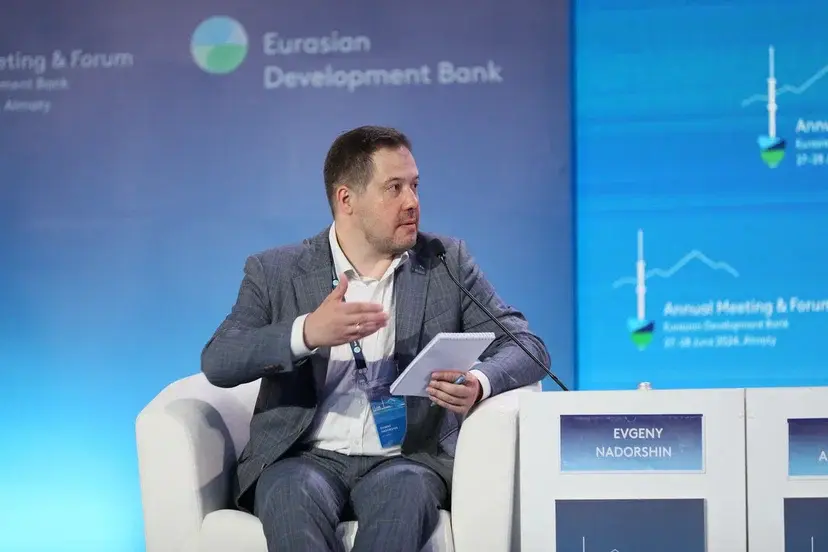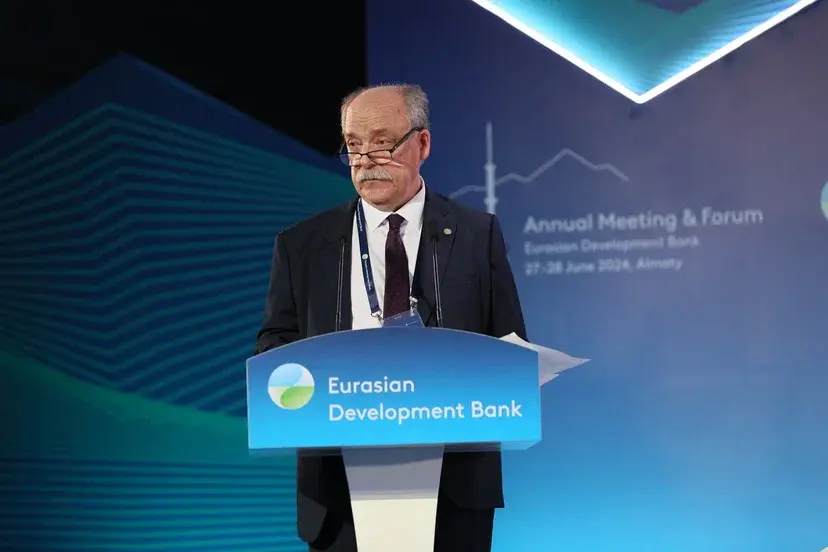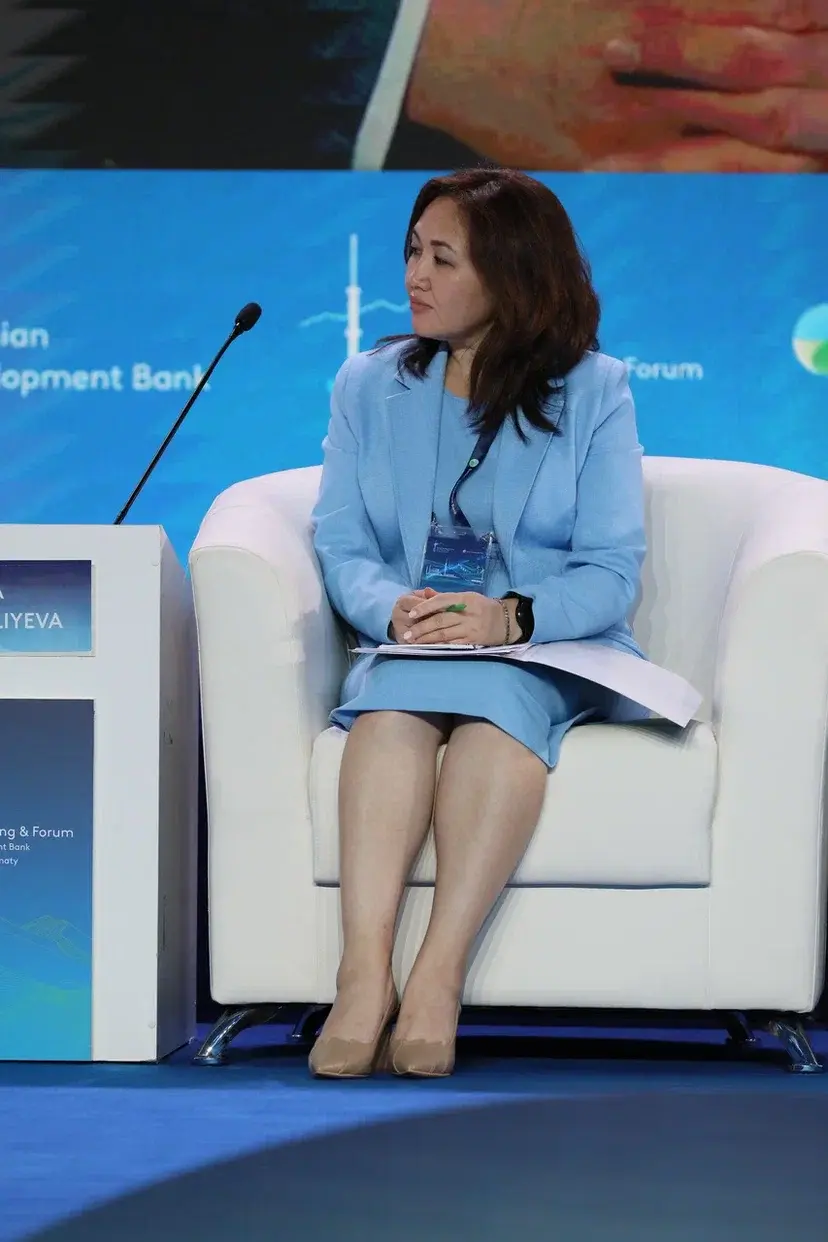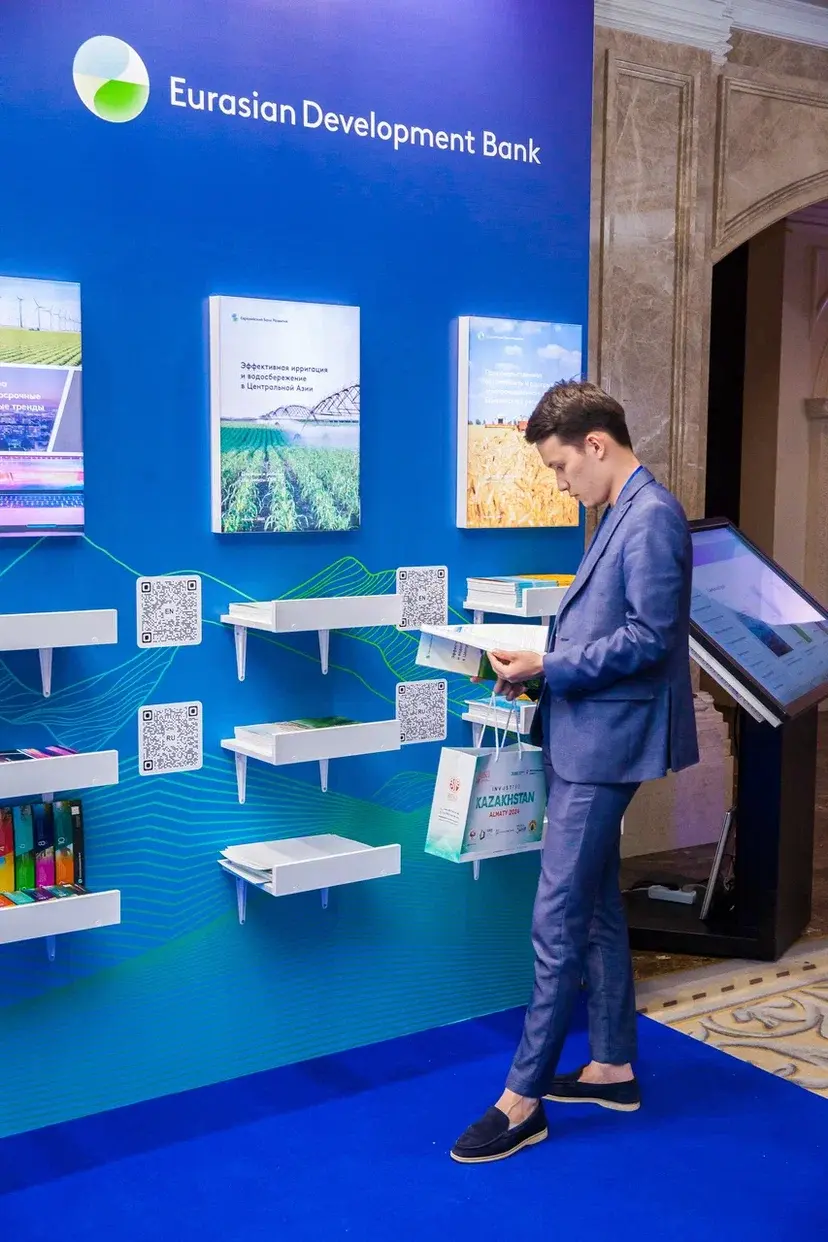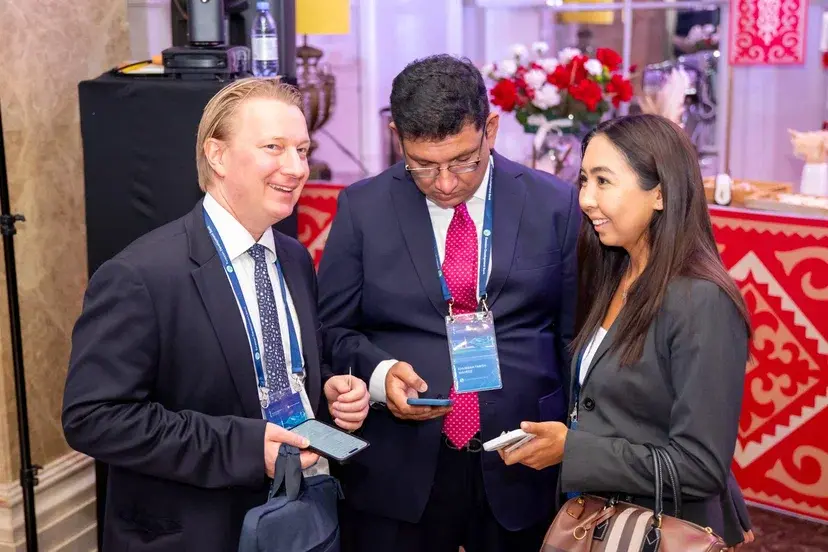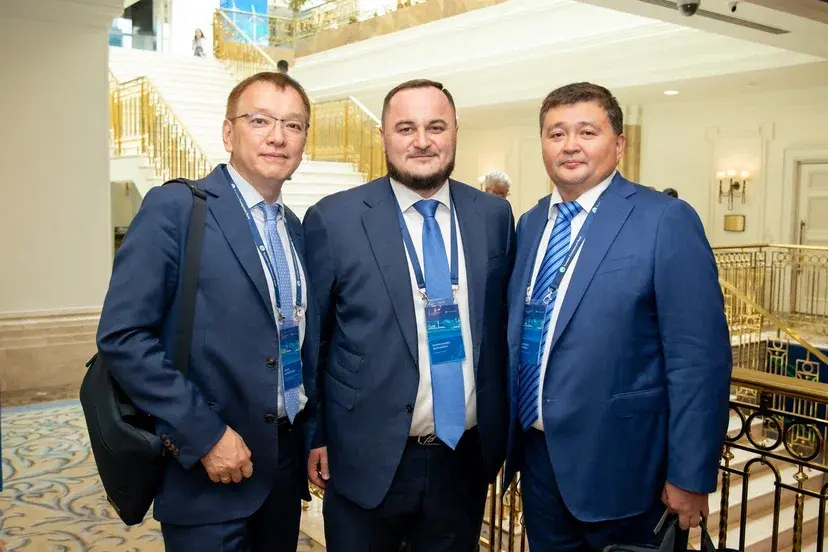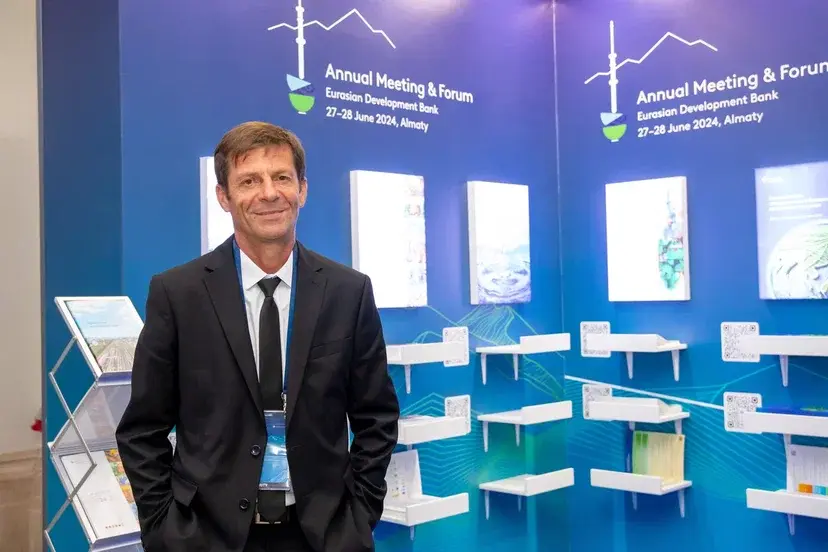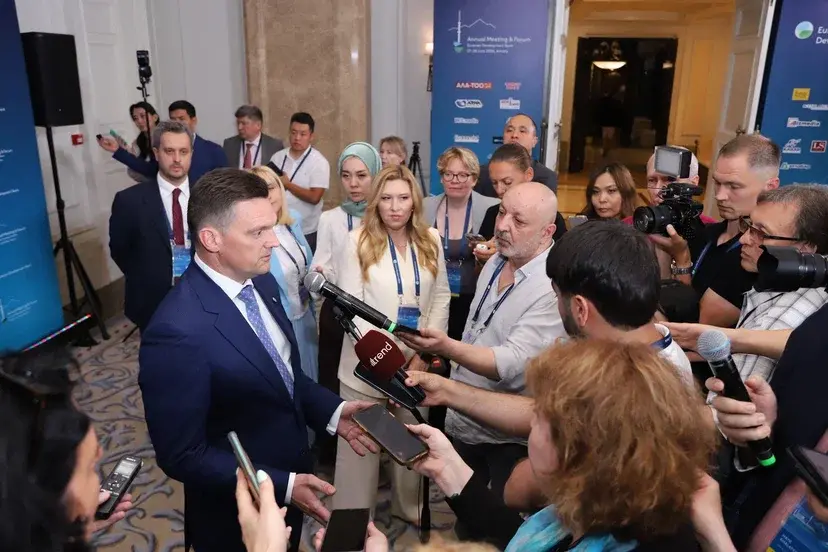


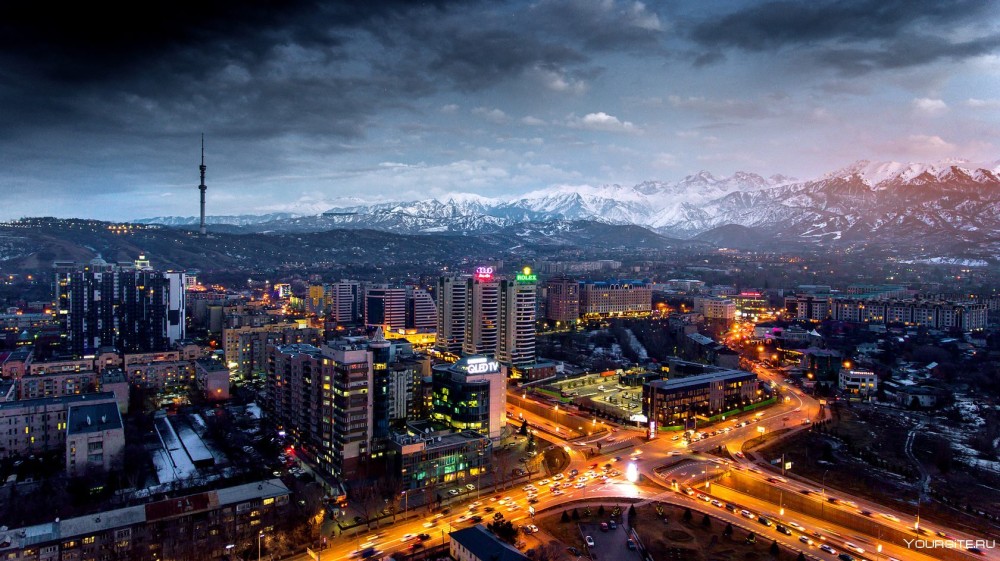
Representatives from multilateral development banks, international organizations, the business sector, scientific and expert communities, professional associations, and journalists from various countries will converge on this platform to exchange experiences, discuss topical issues, and outline pathways for joint development.
The Business Forum will serve as a catalyst for fruitful discussions, sparking new ideas and solutions that impact the economy of the Eurasian region.
As part of the business program, participants will consider a wide range of topics, including:
- Global economic trends and their impact on the Eurasian region
- Investing in sustainable development
- Digital technologies and innovations for Eurasia
- The Future of Islamic Finance in Central Asia
- Transport development of landlocked countries
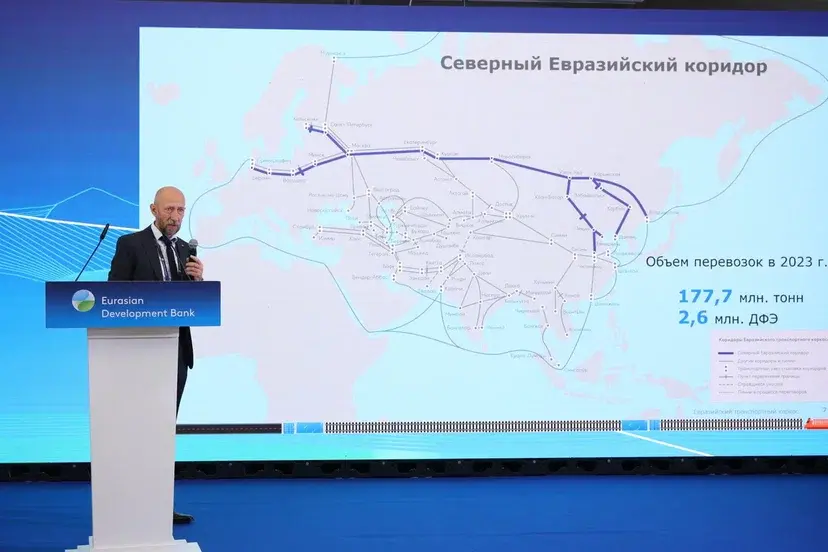
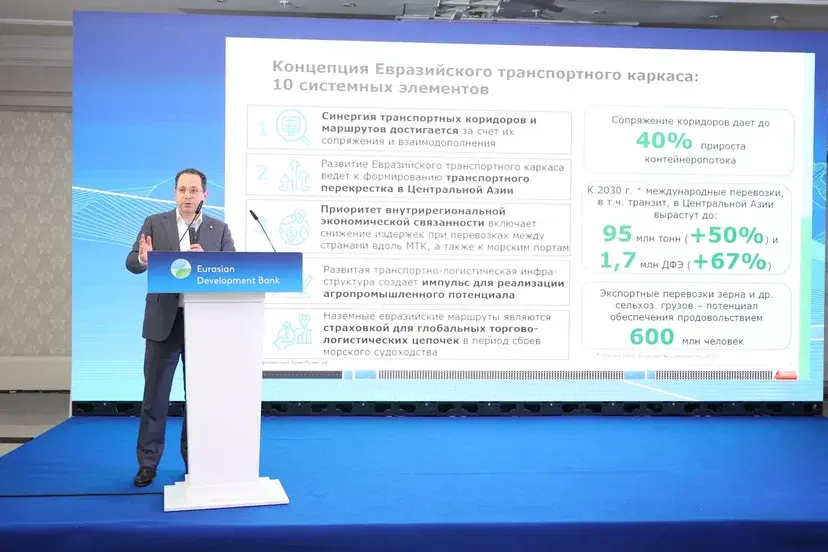
- The potential of the Eurasian transport framework
Chairman of the EDB Council, representatives of the member states.
Join us for a warm-up session to explore EDB’s new analytical reports. Strong analytics help identify practical solutions and shape development strategies. EDB is one of Eurasia’s key centres of expertise, with a deep understanding of the region’s challenges and opportunities. The first day of the event will open with EDB analysts and experts from leading international think tanks. We will discuss approaches to a balanced energy transition in Central Asia: the roles of conventional generation and renewable energy sources, regional energy interconnectivity, cross-border electricity trade, and practical solutions to improve the reliability of power systems and reduce their costs.

The global economy is changing rapidly. How can the countries of the Eurasian region navigate this shift and secure their place in the new global landscape? The capacity to rapidly adopt and scale groundbreaking technologies is becoming a key resource. The Eurasian region has one of the world's most significant development potentials. In recent years, the economies of the EDB member states and Central Asia have outpaced global average growth rates. To sustain and accelerate this positive momentum, the region requires more than just sustained growth. The growth is to be rapid, deeply integrated with new technological paradigms, and, above all, centred on human capital. This means a new quality of growth for Eurasia – growth that is fast, technologically advanced, and people-oriented.
Discussion Questions:
- A Long-Term Vision for Eurasia: How to turn the region’s potential into a strategic advantage?
- What part should international development banks play in the structural transformation of the Eurasian region?
- What are the key objectives and priorities for the EDB in the 2027-2031 period, and how will the EDB facilitate sustainable growth in the region?
- Eurasia’s Investment Agenda 2030+: where could new growth points emerge?
Deputy Minister of investment, industry and trade of the Republic of Uzbekistan
The Eurasian region is a space where sustainable growth, investment appeal and increasing connectivity combine to create a long-term foundation for business development. How can practical business solutions, supported by financial institutions, transform people’s lives?
Looking towards 2030, the strategic priority is to foster a new quality of growth driven by business adoption of new technologies, modernization of key industries, expansion of logistics and digital infrastructure, development of e-commerce, and investment in human capital. These factors will shape the future of cooperation and the projects that will define the architecture of the Eurasian economic system for decades to come.
Discussion Questions:
· How can the technology boom become a foundation for sustainable long-term growth in the Eurasian region?
· How can businesses adopt new technologies faster and more effectively?
· What trends will influence the structural transformation of key industries in the Eurasian region?
· Future trends: what lies ahead for the transport and logistics sector beyond 2030?
According to The Future of Jobs Report 2025 by the World Economic Forum, structural transformation is expected to affect around 22% of all existing jobs worldwide by 2030. Artificial intelligence, robotics, and global competition do not diminish the role of humans — but they fundamentally reshape it. Even experienced leaders risk losing their competitive edge if learning ceases to be part of their lives. The courage to acknowledge one’s own skill gaps, to relearn, and to reinvent oneself and one’s team is becoming a professional requirement.
Leaders, business, and the state are facing challenges of a new complexity:
• Which competencies will become “irreplaceable” by 2050?
• What should leaders learn to remain relevant in the economy of the future — technology, management, cultural empathy, AI ethics?
• How can leaders develop their teams to achieve long-term strategic goals?
The transformation of global supply chains is elevating logistics to one of the key drivers of economic development. Central Asia sits at the intersection of strategic transport corridors — North–South, West–East, the Trans-Caspian International Transport Route (TITR), and the emerging China–Kyrgyzstan–Uzbekistan railway. This creates a unique opportunity 3 to transform the region into a pivotal logistics hub of the continent. Unlocking this transit potential requires a comprehensive approach: the synchronised development of transport infrastructure — railways and highways — alongside logistics capacity: warehousing complexes, dry ports, and transshipment terminals.
Discussion Questions:
• How to ensure the synchronised development of transport corridors, warehousing complexes, and transshipment terminals to create seamless supply chains across Eurasia?
• What role do multilateral development banks and sovereign wealth funds play in attracting private capital and structuring complex infrastructure projects?
• Game-changing projects: how will the construction of the China– Kyrgyzstan–Uzbekistan railway reshape Eurasia’s transport map, and what warehousing capacity will be needed along the new route?
• Urbanisation, cross-border trade, and e-commerce: how to adapt logistics infrastructure to new demand drivers?
• Digitalisation and artificial intelligence: which technologies will ensure the integration of the region’s transport and warehousing systems?
International financial institutions play an important role in addressing global and regional challenges. In the current global economic climate, the international financial institutions system particularly needs new ideas, practical solutions and collaborations.
‘E-Handbook: System of International Financial Institutions’ is a new knowledge platform on the activities, instruments, and development prospects of international financial institutions with focus on multilateral development banks. The platform provides open access to:
- Analytical materials: research, articles, presentations.
- Databases of development institutions and MDBs, dashboards.
- Media resources: interviews, expert blogs, webinars.
- Educational resources: training courses, online seminars.
The platform will be useful for all stakeholders, including government institutions, businesses, media, experts, and the academic community.
Attention! We invite experts from international organizations, educational institutions, and research centres to actively participate in developing the knowledge platform by using its resources and capabilities and sharing their own research.
Eurasia faces the imperative of addressing strategic challenges: from advancing artificial intelligence and big data to building a unified technological infrastructure across the region. Today, the priority is to shape a digital space in which technology innovation becomes the driving force behind sustainable economic growth and improved quality of life for all countries across the region.
Discussion Questions:
• New digital projects of the EDB. The growing significance of AI and its increasing share in project activities.
• AI, digitalization, and integration. The importance and opportunities for synchronization.
• New trends in digital projects: public administration, healthcare, GIS, education.
Award Ceremony and Presentations of the Winners of the Digital Projects Competition 2025/2026.
· Anton Maevsky, Director for Strategic Development, Inventorus LLC
· Alexander Fradkov, First Deputy General Director, IRTech JSC
The adaptation finance gap remains critically large. Global adaptation finance needs are estimated at USD 310–365 billion annually, while actual international financial flows amount to only USD 26 billion. How can adaptation technologies become more attractive to investors and enable a shift from fragmented project support towards systemic solutions? What role can public policy play in generating demand for adaptation finance? Which financial instruments can help overcome structural barriers to the implementation of adaptation projects in Central Asia? The Eurasian Development Bank, the Astana International Financial Centre, and the Secretariat of the Green Investment Principles have joined forces to explore practical solutions to these challenges.
EDB analysts and experts from leading international think tanks will once again kick things off. You are invited to attend two analytical presentations. The second day of the event will once again open with presentations by EDB analysts and experts from leading international think tanks. We invite you to attend the presentations of analytical reports.
Peking University presents the inaugural issue of the Public Development Finance Observer, which focuses on how artificial intelligence is empowering public development finance institutions to enhance the efficiency of their operations and the effectiveness of fulfilling their mandates.
The session is dedicated to the role of technical assistance (TA) in the activities of multilateral development banks and international financial institutions operating in Central Asia. The discussion will focus on TA as an integrated instrument within the investment cycle, supporting project preparation, institutional development, regulatory improvements, and investment mobilization.
Participants will discuss how technical assistance instruments are evolving from support for individual projects toward more strategic mechanisms for building investment pipelines, including special funds and project preparation programmes.
Questions for discussion:
• How do development banks use technical assistance to build their investment portfolios and develop new investment instruments?
• How do technical assistance special funds and project preparation mechanisms contribute to the development of investment-ready projects?
• How can development banks coordinate technical assistance resources in the Central Asia region? What are the key advantages of platform-based coordination formats for technical assistance?
The session will focus on the role of demographic data and forecasting in shaping investment decisions and public policy in the member states of the Eurasian Development Bank. The discussion will center on the use of modern data systems and analytics to account for demographic change in the planning of infrastructure, social, and economic investments.
Participants will discuss how demographic shifts are affecting investment priorities and creating the need for more targeted, data-driven decision-making. Particular attention will be paid to the development of digital statistical infrastructure and the integration of demographic analysis into investment strategies.
Questions for discussion:
- How can demographic data and forecasting be used to shape investment portfolios and prioritize projects?
- How does the digitalization of statistical systems contribute to more accurate and effective investment decision-making?
- How can public policy adapt to demographic trends to support sustainable growth and human capital development?
Central Asia is one of the most promising destinations for international investment amidst the transformation of the global economy and the redirection of investment flows. The region is entering a new stage of economic growth, where international capital, Islamic finance, and other modern financial instruments can become key drivers of sustainable development and help avoid the ‘middle-income trap. It possesses significant potential in infrastructure, energy, logistics, agribusiness, and industry. Realising this potential requires the development of sustainable financing mechanisms and the strengthening of international partnerships involving states, international financial institutions, and private capital. This includes mobilising of diverse capital, including Islamic finance as a source of long-term, stable funding that aligns with the principles of responsible investment.
Discussion Questions:
• How will the global transformation of investment flows, the emergence of new growth centers, and structural changes in the world economy impact the development of Islamic finance in Central Asia and Eurasia?
• What role can the EDB, other international development banks, and institutions such as AAOIFI and IFSB play in shaping a sustainable Islamic finance ecosystem capable of mobilizing private capital for the region's priority sectors?
• What regulatory, institutional, and market conditions are required to create further opportunities for attracting and scaling Islamic investment in logistics, energy, food security, and the social sector amidst new global challenges?
Labor markets in Central Asia are one of the key areas of attention for ensuring the region's sustainable development given the emergence of several systemic challenges. By 2040, demographic projections predict a significant increase in labor supply, whereas domestic labor demand remains limited, and opportunities for labor migration abroad are declining.
The Eurasian Fund for Stabilization and Development (EFSD) is presenting a flagship report based on a comprehensive analysis of macro- and microdata for Kazakhstan, Kyrgyzstan, and Tajikistan.
Realizing the potential of human capital requires a deeper understanding of the relationship between demographics, economic growth, and labor market functioning.
Discussion Questions:
· What demographic trends are shaping labor market development trajectories in the region?
· What structural shifts are occurring in the labor market, and how are they linked to economic growth?
· Is the "low unemployment + high informality" model a sustainable trade-off for social stability?
PPP continues to play a key role in infrastructure development in Eurasia. The session will focus on the growth drivers in the PPP markets of Kazakhstan, Russia, Uzbekistan, and Kyrgyzstan, benchmarking failures and recipes for success in preparing a pool of high-quality PPP projects to realize the competitive advantages and strategic priorities of countries with the expert and financial support of the EDB.
Discussion Questions:
- Overview of PPP markets in EDB member countries: o What hinders and what drives PPP projects in EDB countries?
o PPP regulations and PPP institutions: what works, what doesn't, and why?
o What PPP mechanisms and practices can member countries adopt from each other? - Upstream preparation of PPP projects:
o Focus on actions that lay the foundation for successful PPP projects.
o Delivering results: the effects of EDB technical assistance on the development of PPP maturity and markets in Armenia, Kazakhstan, Kyrgyzstan, and Tajikistan
The session will be structured as a practice-oriented dialogue, focusing on the practical aspects of corporate participation in projects funded by multilateral development banks (MDBs) and international financial institutions. The discussion will examine the factors that determine success when entering the MDB project market and securing contracts.
Participants will discuss strategies that enable companies — both start-ups and established firms — to effectively position themselves, build partnerships with development banks, and increase their chances of winning competitive bids. Particular attention will be paid to common barriers faced by bidders during the tendering process, as well as the expectations of development banks when selecting contractors and suppliers.
Discussion Questions:
- What are the main challenges faced by development banks when selecting contractors and suppliers?
- How should companies formulate a strategy for entering the MDBfunded projects market?
- What factors distinguish successful applications when participating in requests for proposals (RFPs) for MDB projects?
- What steps do companies take to improve their chances of winning contracts?
- Annual Report Presentation
- Presentation of the EDB Sustainability Report 2025
An open strategic discussion on how the logic of learning is changing, why
mass education is beginning to compete with personalized learning
ecosystems, which learning models will be in demand over the next 3–7
years, and how AI is transforming the economics of the education
business.
Questions for discussion:
- What are the key transformations taking place in education today?
-Massification vs. Personalization: How is the learning model
changing?
- The New Economics of the Education Business
- Which skills will retain uniquely human value in the future?
- Who Will Thrive in the AI Era?
Speakers:
- Dr. Tariq Qureishy, futurist, transformation advisor, and Chairman
& CEO of the Future Readiness Forum and Xponential
- Maria Pavlova, head of the Eurasian Development Bank Academy